
New Zealand’s Extreme Abortion Law: On-demand, and Late-term Terminations
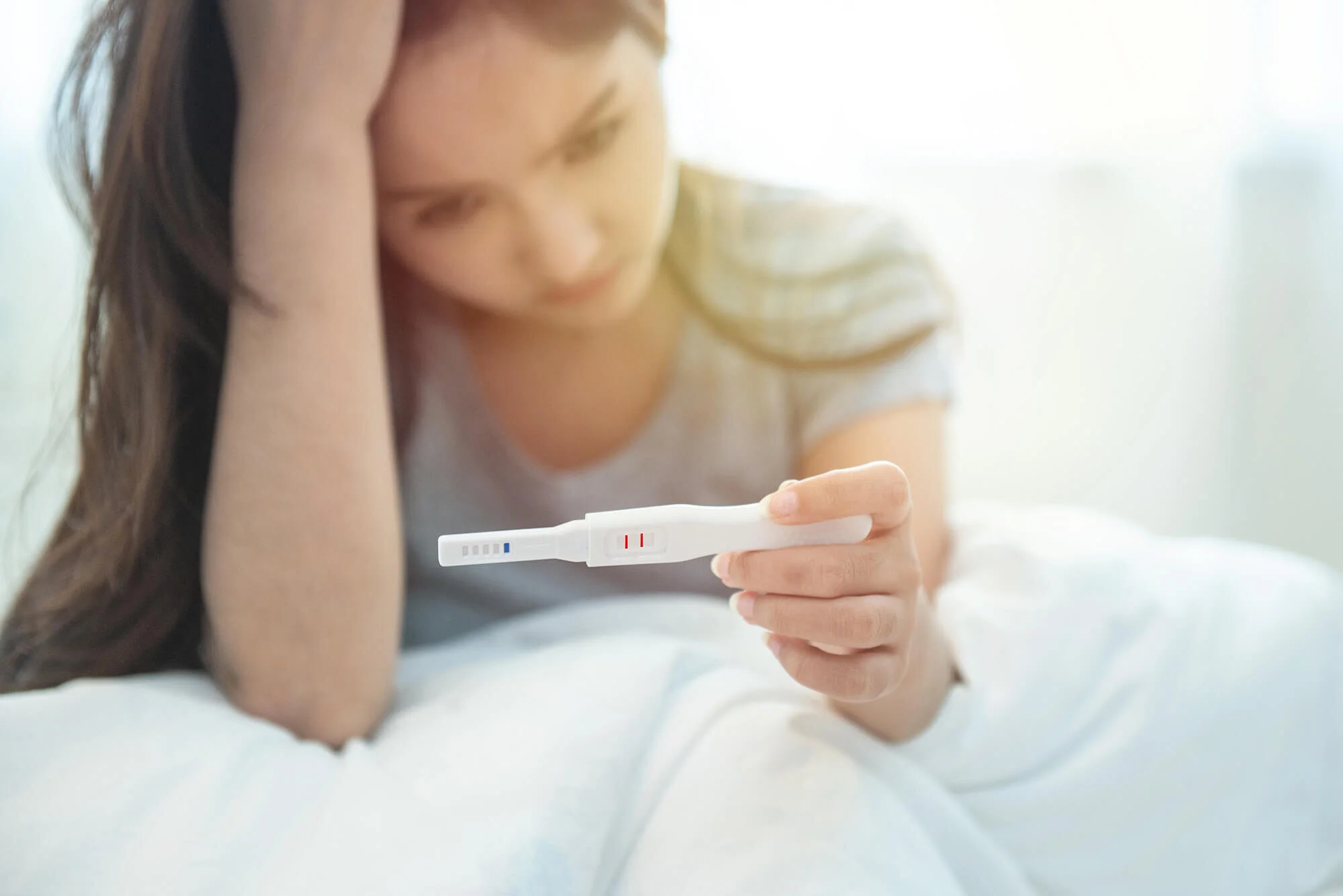
The New Zealand abortion law changed significantly in 2020 with the passage of the Abortion Legislation Act 2020, and its impact is still ricocheting through medical practice and the lives of New Zealanders today.

How New Zealand’s Abortion Law Changed in 2020
This law allows abortion on demand up to and including 20 weeks of pregnancy. After 20 weeks, a woman may obtain an abortion if her doctor or other qualified clinician (midwife, nurse practitioner, registered nurse) believes the abortion is ‘clinically appropriate’ and that continuing the pregnancy would endanger her ‘well-being’. The clinician has to consult with another doctor or appropriate health professional.
Both terms, ‘clinically appropriate’ and ‘well-being’, are not objectively defined. Therefore, abortion is, in effect, available on demand up to birth.
Trends Following the Law Change
Since the law changed, the number of abortions has rapidly increased. As these numbers have grown, so too have concerns about the wider impacts of the legislation, including "failed terminations," where babies have been born alive following an attempted abortion at a stage of development considered viable but have not survived.
Liberal Access to Abortion Services in New Zealand
New Zealand’s abortion law is among the most liberal in the world, providing publicly funded access to medical abortion pills following a remote consultation, as well as surgical removal of babies.
New Zealand Abortions Statistics
Weeks 0-20
0
Weeks 21-40
0
Unknown / Missing
0
0
Medical Abortions
0
Surgical Abortions
0
Other*
0
0
Unborn children aborted in NZ in 2024
Weeks 0-20
0
Weeks 21-40
0
Medical Abortion
0
Surgical Abortion
0
Other*
0
*(e.g. failed medical only followed by surgical)
What is the abortion law in New Zealand?
A law that is failing the woman and her child
Lack of Clear Medical Definitions in the Law
The dangers with abortion
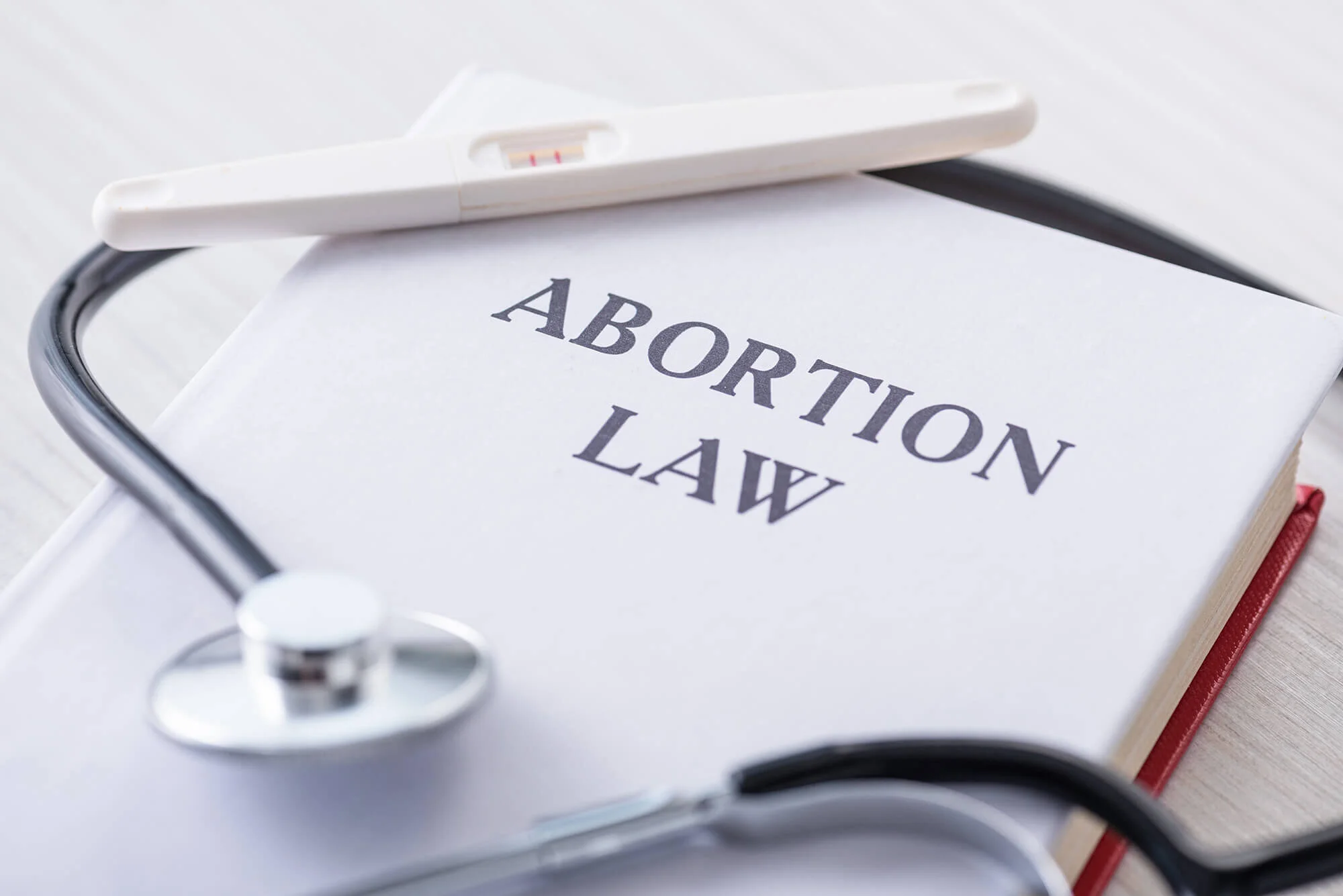
The only approval criteria for an abortion up to birth is a doctor’s decision that it is ‘clinically appropriate’ or for the mother's 'well-being’. Our previous abortion law stipulated that a woman could receive an abortion up to 20 weeks gestation on the grounds of ‘mental health’ risks. We saw this previous law abused and many abortions were signed off under the ‘mental health’ banner. This too will happen with abortions after 20 weeks, as it will be just as easy for someone to claim that their pregnancy affects their ‘wellbeing’, which is even more subjective than ‘mental health’.
A law that rejects basic human rights
Many amendments and safeguards were rejected in the parliamentary process. Amongst the rejected safeguards are the following:
- No protection against gender-selective abortions. The amendment to make gender-selective abortions illegal was rejected.
- No protection against disability discriminatory abortions. The amendment to protect babies with a disability from discrimination was rejected.
- No medical assistance for a baby who survives a botched abortion attempt. An amendment to ensure that medical assistance should be provided to a baby born alive after a failed abortion was rejected, meaning that abortion survivors will be legally left to die. Under the NZ Bill of Rights, a survivor of abortion is legally entitled to care. This would be another breach of human rights.
- No protection against a mother being coerced into an abortion. An amendment to ensure that a mother will not be forced or pressured into an abortion by a partner or family member was rejected.
- No pain relief to be given to a baby in a post 20-week abortion. An amendment to see that babies in a post 20-week abortion would not suffer any pain, was rejected even though it is scientifically proven that babies can feel pain in late term abortions.
- No protection for healthcare professionals to have conscientious objection. An amendment to ensure that we kept the same conscientious objection standards the same was rejected.
- No protection for health professionals to keep their job if they conscientiously object. An amendment to ensure restricting employment discrimination on the grounds of conscientious objection was rejected.
A Doctor’s Dilemma
Why Health Professionals Refuse Involvement

A Doctor’s Dilemma
Why Health Professionals Refuse Involvement
Abortion is not a healthcare service - it is an intentional act of killing another human being. It is not a solution that cares for both lives involved in the pregnancy. Pregnancy in itself is not a ‘danger’ to a mother, and abortion is not a way to ‘fix’ or ‘heal’ a pregnancy. This goes against a doctor’s role of healing, as an abortion is a deliberate act of killing a child.
Why Health Professionals Refuse Involvement
Abortion is not a healthcare service - it is an intentional act of killing another human being. It is not a solution that cares for both lives involved in the pregnancy. Pregnancy in itself is not a ‘danger’ to a mother, and abortion is not a way to ‘fix’ or ‘heal’ a pregnancy. This goes against a doctor’s role of healing, as an abortion is a deliberate act of killing a child.
Abortion is Never Risk-free
Abortion can harm the woman seeking an abortion. There are proven medical issues and side effects that can arise as a direct result of an abortion, as well as emotional and mental health issues post-abortion.
A common lie: The medical necessity to save a mother
We have been led to believe that sometimes abortion is necessary if the mother’s life is in danger. This is not true. The act of aborting a baby is actually never medically necessary. Doctors have stated that on the rare occasion of a mother’s life being at risk, an induced labour to cause the baby to be born prematurely to save the mother's life is an adequate procedure. The baby may not survive the birth and although still a tragedy, this is very different to intentionally killing a baby while it is inside its mother’s womb, through abortion.
The fact is that there are two lives that need to be considered. When someone chooses to have an abortion, one of those lives is intentionally killed.
Prenatal development
Highlights of the week by week development of a little human
“The start of pregnancy is normally marked by the first day of the woman’s last menstrual period (LMP). This is called the gestational or menstrual age. It is about two weeks ahead of when conception actually occurs.”
“The unborn baby’s heart has started to beat.”
“The unborn baby is fully formed. All organs, muscles, limbs and bones are in place, and the sex organs are well developed.”
“The unborn baby may respond to loud noises from the outside world, such as music.”
See the full development timeline.
Medical and Surgical Abortion
Understanding the different methods that are used
What happens in a medical abortion?
Understanding how a life is ended through taking the abortion pill
Medical abortion involves the woman taking the drug mifepristone known as Mifegyne® which blocks the pregnancy hormone progesterone. This causes the preborn child to be deprived of nutrients. Within the next 48 hours the woman takes another drug, misoprostol, known as Cytotec®, either orally or vaginally. This causes uterine contractions and the embryo and associated pregnancy tissues are expelled. This method is offered up to nine weeks LMP.
For late-term abortions in New Zealand, the abortionist usually initiates foeticide, which is killing the preborn child by injecting a drug into the heart to stop it. Labour is then induced and the woman goes through the delivery process.
What happens in a surgical abortion?
Understanding how a life is ended through a surgical procedure
Surgical abortion in the first trimester is carried out using the dilatation and curettage (D&C) and vacuum aspiration method. It involves dilating the cervix and inserting into the uterus a small tube attached to a suction machine. Suction is activated and removes the preborn child and pregnancy tissue (the placenta and lining of the uterus).
After 14 weeks, due to the strength of the preborn child’s body, bones, and size in general, a procedure called dilation and extraction (D&E) is performed. This involves the use of suction as well as forceps to break the preborn child’s body and remove it in pieces.
What Abortion Looks Like
The Victims Speak
CAUTION: Viewer discretion and parental guidance advised. Contains graphic images of aborted children.
The Dangers in Abortion
Understanding the Risks
We are often led to believe abortion is a straight-forward, easy, and clean solution to an unwanted pregnancy. But this is a lie. In reality, abortion not only destroys the life of the unborn child but leaves physical, emotional, and mental damage to the mother.
Physical Harm
Abortion carries a risk of physical harm. The most common complication of abortion is infection. If untreated, it can pose a serious risk to fertility and even endanger the woman’s life. Surgical injury to the uterus or cervix is not uncommon, and can have a significant impact on the woman’s future health and fertility.
Medical Risks
Risks from medical abortion include failure of the abortion drug to work, requiring a surgical abortion, and uncontrolled bleeding and infection. Allergic reaction is also possible.
Conscious Sedation
Currently most abortions in New Zealand are done under conscious or twilight sedation, which means that the woman is sleepy but awake during the procedure. General anaesthesia, when the woman is unconscious throughout, can be provided in a hospital setting. General anaesthesia carries the usual risks of adverse cardiac or respiratory events, although these are quite uncommon.
Mental Health Risk
Because no one currently systematically tracks or checks in with women following an abortion, we can’t say for certain how many women are suffering after having an abortion. But a 2008 study out of the University of Otago’s Christchurch Health and Development Study suggests that women who have an abortion face about a 30% increase in the risk of developing mental health problems – such as depression, anxiety disorders, suicidal behavior, and drug and alcohol abuse – versus women who have never had an abortion, and that this increase is associated with having the abortion.
Long Term Effects
Anecdotal evidence from counsellors indicates that women can experience mental health problems as a result of their abortions anytime from immediately after the abortion to many years later.
An Abortion Trauma Story
You don't have to go far to hear stories from women who have had abortions and have emotionally suffered for years afterwards. The impact of killing your own child is significant.
Palmerston North’s Winnie Brown knows exactly what it’s like to carry the guilt, loss and grief of abortion for years, and what can happen when you face reality and find forgiveness and healing.

Do You Need Help?
What you are going through matters to us
My Buddy, My Voice
Men and Abortion: Finding Your Voice
Abortion affects men too – find support, understanding and a place to be heard.
Abortion is often framed as a woman’s choice—but many men carry the weight of that decision too, often in silence.
Being sidelined when it comes to decisions about pregnancy and abortion doesn’t lessen the impact. You deserve to be heard in one of the most significant moments of your life.
My Buddy, My Voice is a campaign empowering men to find their voice, access support, and be part of the conversation around pregnancy and abortion.
Find support, clarity, and a place to be heard.

Abortion Petition
Repeal the Abortion Act Petition
Join Voice For Life in calling for a repeal of New Zealand's 2020 Abortion Legislation Act, which removed essential restrictions and allows late-term abortions for any reason. The campaign seeks 100,000 signatures to repeal the law.
Be a Voice for the Voiceless
Be an agent for change in the abortion culture
Volunteer
Join a team of pro-life volunteers willing to give their time and talent to make a difference.

Donate
Partner with us as a financial supporter of our important pro-life work.

Shop
Get Voice For Life merch, pro-life resources, books and more.