
Real stories, lived experience
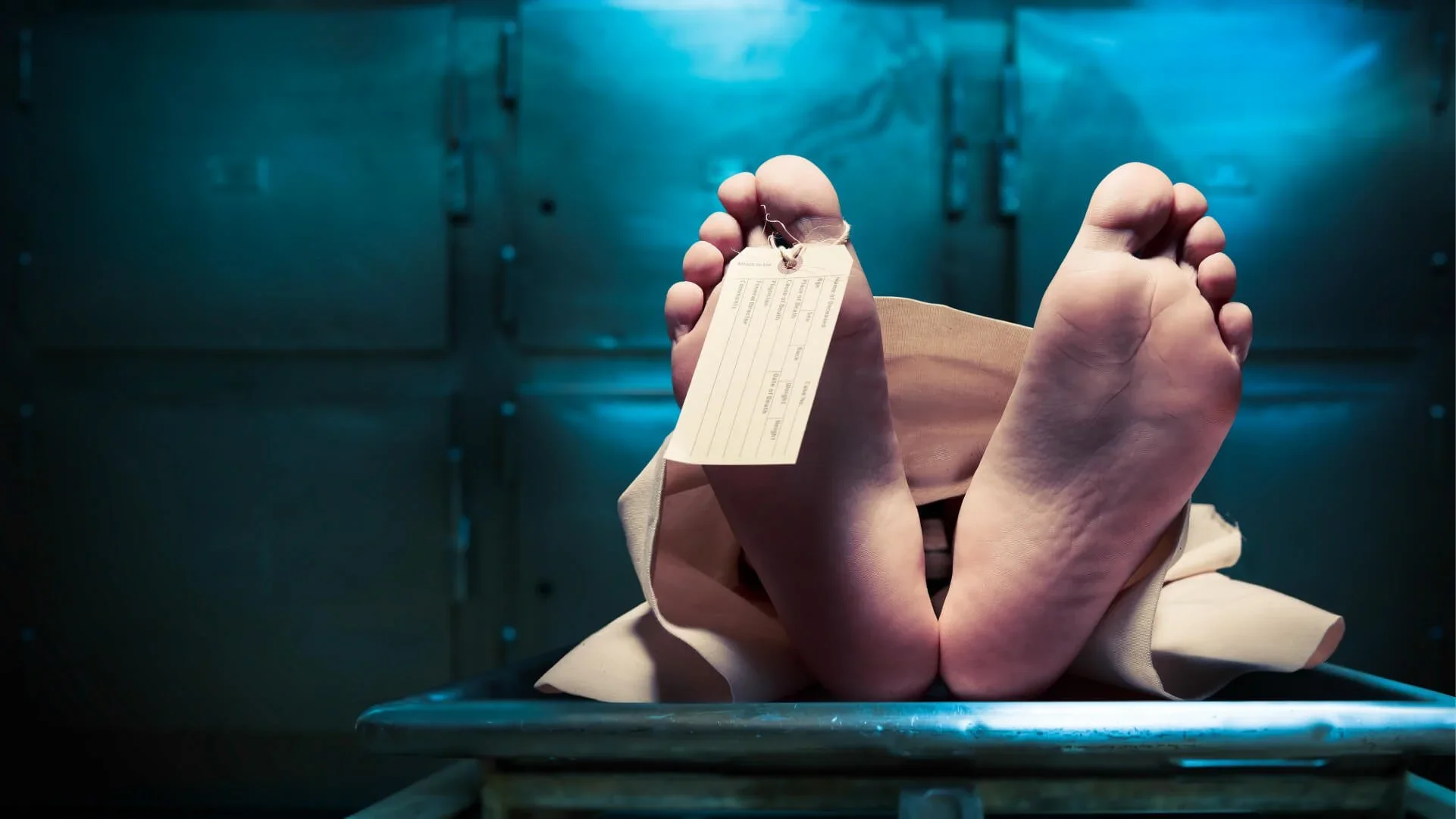
As euthanasia and assisted suicide are operating in New Zealand, thousands are being impacted and influenced by a practice that promotes death as a solution to suffering.
These are a collection of real interviews that have been collected and produced either by Voice For Life, or by partnering agencies.
These are the lives being directly impacted by euthanasia.
Senior Hospital Clinician Speaks Out on Assisted Dying: “I Just Don’t Understand How We Got Here”
Assisted dying — legal in New Zealand since November 2021—remains one of the most ethically complex developments in modern healthcare. More than 1,200 New Zealanders have died under the legislation since it came into force, in hospitals, aged care facilities, private homes and at least one hospice.
Before the law was enacted, a number of doctors and healthcare practitioners voiced concern. The strongest opposition came from those working most closely with the dying: palliative care clinicians who traditionally focus on comfort, dignity and holistic support at the end of life.
Now, for the first time, a senior clinician from one of New Zealand’s leading tertiary hospitals has publicly shared his experience of how assisted dying is affecting frontline medical teams.
His account paints a picture of moral distress, workplace tension, and unresolved ethical questions.
Voice For Life Pulse
The podcast of Voice For Life NZ, featuring pro-life interviews, commentary, and news!
Euthanasia Exposed! Interview with a NZ Whistleblower doctor!
Listen to a senior clinician from one of our country’s leading tertiary hospitals speak out publicly about his direct and impactful experience navigating the complexity and struggle of euthanasia operating inside his workplace.
The Hidden Truth About Euthanasia: A Doctor’s Perspective on Loneliness, Pressure, and the Illusion of Choice
A New Zealand doctor has broken ranks—speaking anonymously to Voice For Life to expose what they say is the hidden reality of euthanasia inside the healthcare system.
Behind the language of compassion and choice, this insider account points to a far more confronting truth—one that rarely reaches the public.
From years on the frontline of end-of-life care, the doctor describes patients not defined by pain alone, but by isolation, fear, and a quiet sense of being a burden. In these moments, the line between choice and compulsion becomes far less clear.
What emerges is not theory, but testimony—raising serious questions about what is really driving assisted dying, and what may be lost when the system offers death before fully addressing the needs of the living.
Voice For Life Pulse
The podcast of Voice For Life NZ, featuring pro-life interviews, commentary, and news!
Headline coming
In this episode, we hear from a doctor with years of experience caring for patients at the end of life. Drawing from real conversations and frontline experience, he shares what he’s seen behind closed doors — where requests for assisted dying are often driven by fear of being a burden, isolation, loss of dignity, and gaps in care.
Quadraplegic’s Story on Euthanasia Posed as Help
Claire Freeman, a tetraplegic since the age of 17, shares her perspective on the dangers of euthanasia on the disability community.
Claire Freeman once sought out assisted suicide from a clinic in Switzerland. When she realised that she wanted to die not because of her medical condition but because of her mental health, a whole new world opened up to her. She turned from assisted suicide supporter to assisted suicide critic.
Claire could become eligible for euthanasia under the terminal illness criteria if she were to refuse the care and treatment that are keeping her alive. While her story was recorded on the precipice of the End of Life Choice Act being introduced, her points remain true.
Euthanasia is now operating within a healthcare system already under strain — and its impact on people living with disabilities is becoming increasingly concerning.
Choice is a Relative Term
Kylee Black hears a lot of people talk about how it gives you a “choice”. But from her experience of living with a life-limiting (terminal) medical condition, choice is a relative term.
When you live your life heavily reliant on other people and require costly treatments to stay alive, having the legal option to end your life makes you feel pressured to take up the offer. Kylie shares what it’s like to live with disability and how the option of euthanasia directly impacts her life.
When Prognosis is Wrong
Having a 6-month prognosis as the main safeguard in eligibility criteria for euthanasia is a faulty and weak standard.
Heather and Rachel Major share the story of their husband and father, Glenn, who was given an inaccurate prognosis. His doctors told him he had six months to live — not once, but three times over a period of nearly nine years. Prognosis isn’t just slightly inaccurate at times; it can be completely wrong. Had euthanasia been legal at the time, Glenn could have ended his life years earlier than necessary. He would have missed out on so much — and so would his wife and young daughter.
Euthanasia introduced in a world of abelism
What begins as a “right to die” for some becomes a “duty to die” for many. Instead of focusing on care and improving quality of life for those living with disability, death is increasingly presented as a solution. Dr John Fox shares his experience of living with cerebral palsy — and the context euthanasia brings into healthcare.