Euthanasia and assisted suicide are having a far-reaching and deeply concerning impact across New Zealand’s healthcare system.
Across healthcare, the elderly, people living with disabilities, and the legal system, serious issues are emerging that challenge the safety, ethics, and long-term consequences of this practice. Explore these risks through real stories, professional insight, and international evidence — revealing how euthanasia is reshaping care, influencing vulnerable groups, and placing growing pressure on the systems meant to protect life.
As euthanasia and assisted suicide operate in New Zealand, real people are being impacted by a system that presents death as a response to suffering. These stories share firsthand experiences from those affected — offering insight into the human reality behind the law.
Assisted dying is having a dramatic and damaging impact on healthcare in New Zealand. From unreliable prognosis and misdiagnosis to gaps in mental health safeguards, pressure on doctors, and limited access to palliative care, the system is being strained and undermined. Clinicians report a shift away from walking with patients through suffering toward faster, irreversible decisions, while ethical boundaries are being reshaped and conscience rights eroded. The result is a healthcare system where the foundations of care, protection, and patient trust are being fundamentally changed at the end of life.
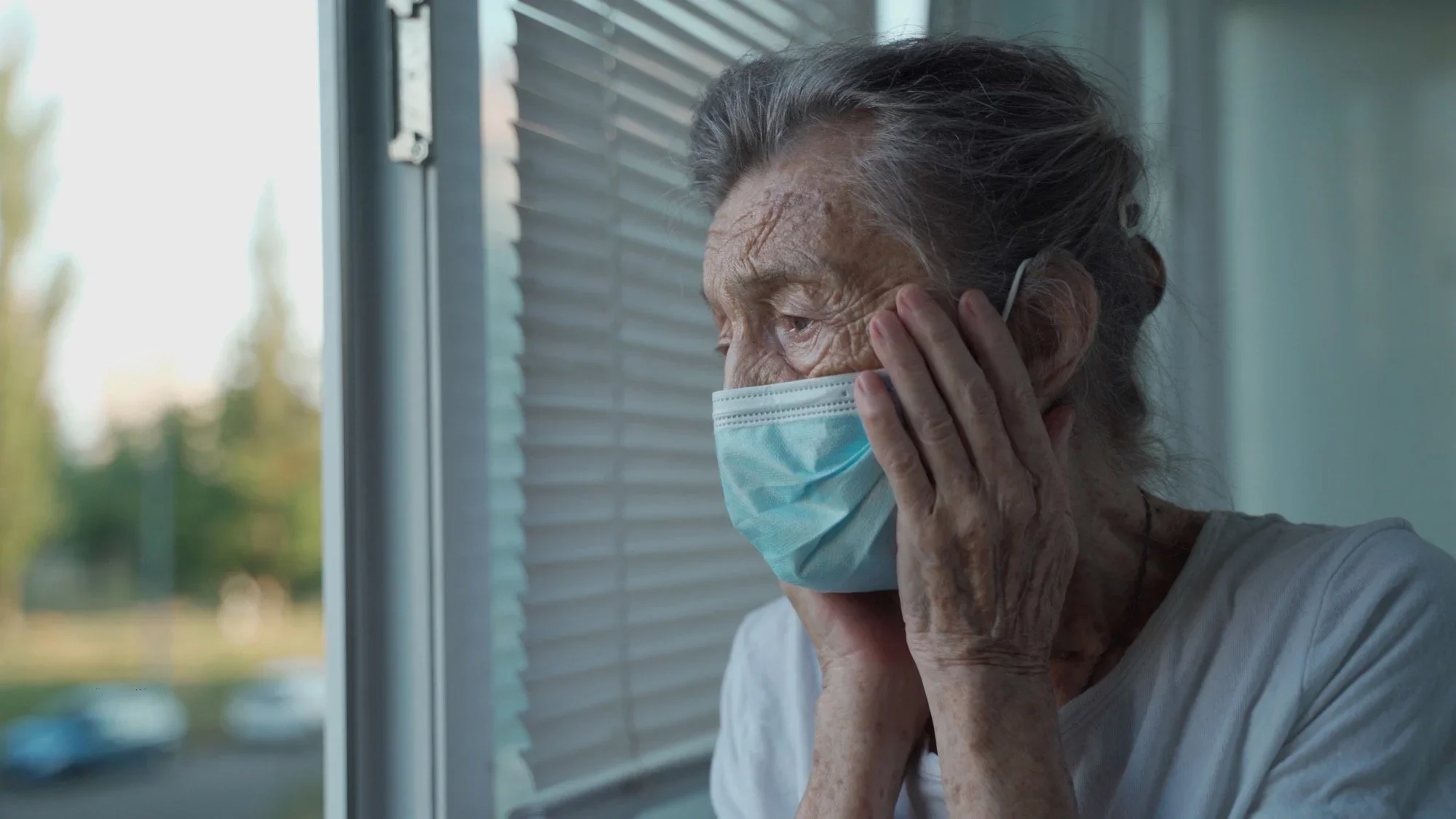
Euthanasia and assisted suicide in New Zealand is overwhelmingly used by the elderly—many of whom are facing vulnerability, isolation, and a growing fear of being a burden. Behind the statistics are deeply human stories shaped by pressure, dependence, and unseen influence, raising serious concerns about whether these decisions are truly free—or quietly shaped by the realities many elderly people are living through.
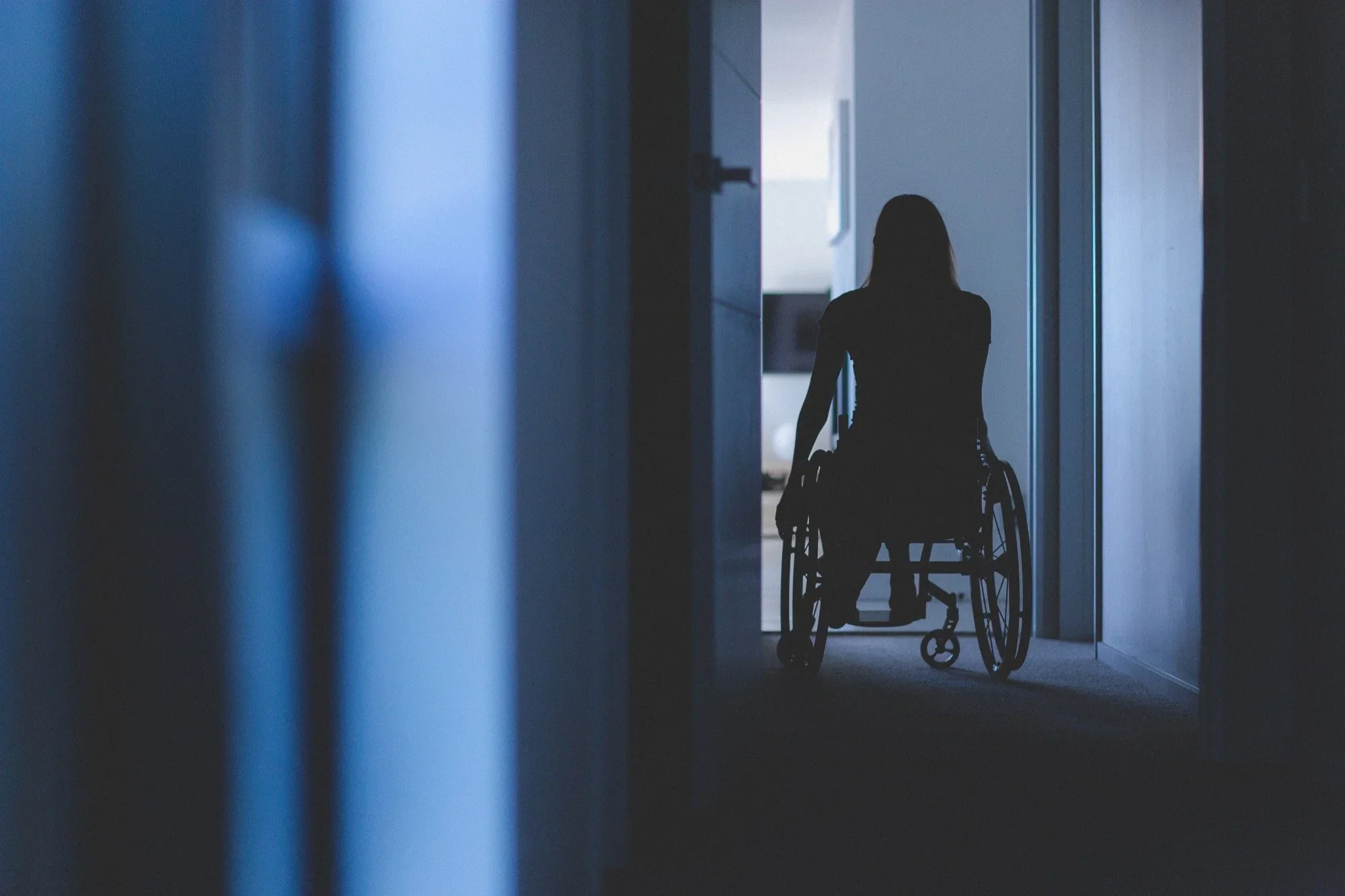
Euthanasia is now operating within a healthcare system already under strain — and its impact on people living with disabilities is becoming increasingly concerning.
The line between “disabled” and “terminal” is not always clear, especially when access to care, treatment, and support is limited. For many, “choice” does not feel like a real choice when basic needs are unmet and dependence is framed negatively. That’s exactly what is emerging overseas.
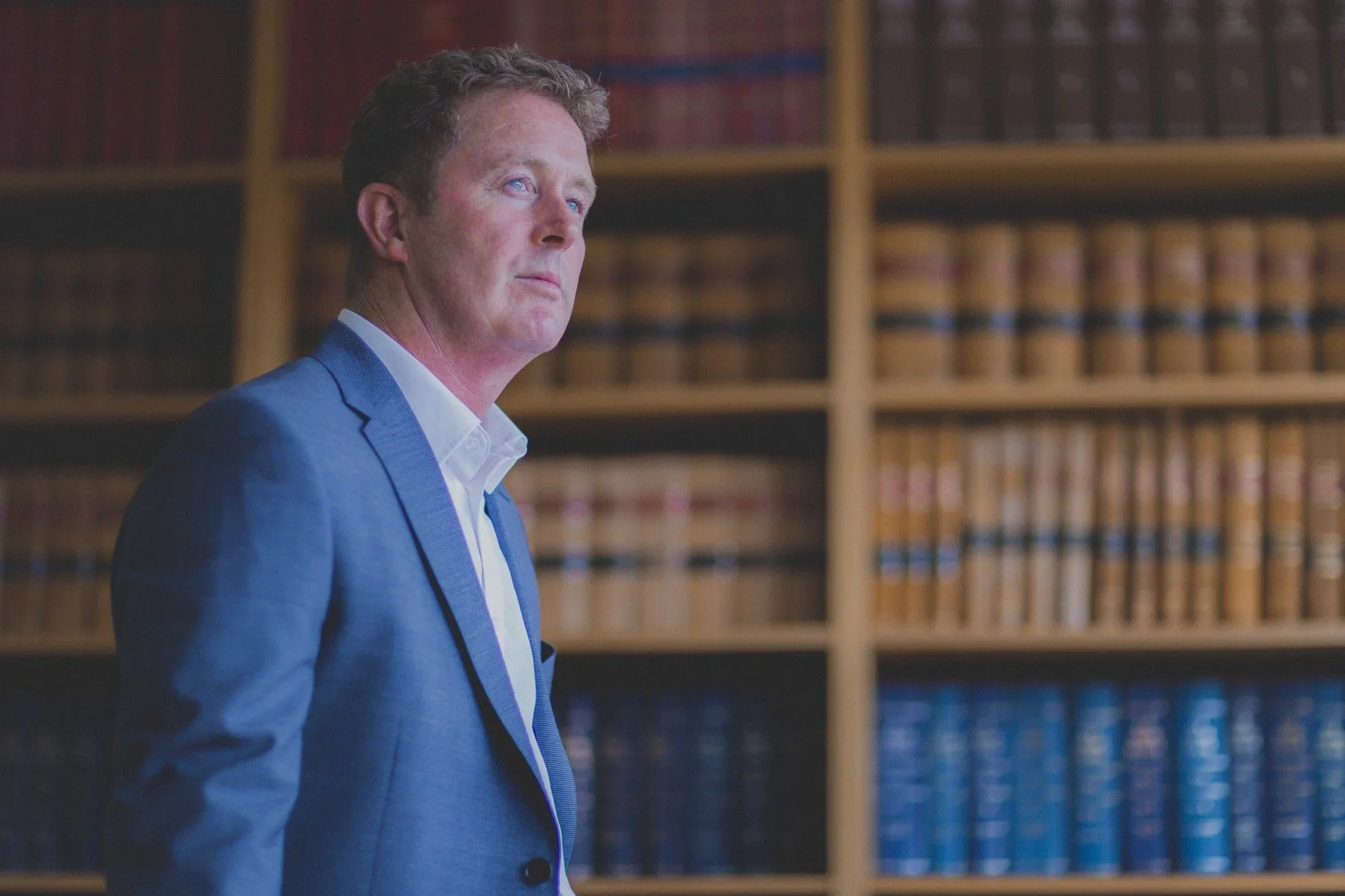
Serious legal concerns continue to surround how assisted dying is operating in New Zealand. Oversight relies heavily on retrospective, self-reported information, with limited transparency into individual cases—making it difficult to verify whether safeguards truly work. At the same time, legal challenges and changes to its application are beginning to emerge, including challenges to eligibility criteria and institutional conscience rights.
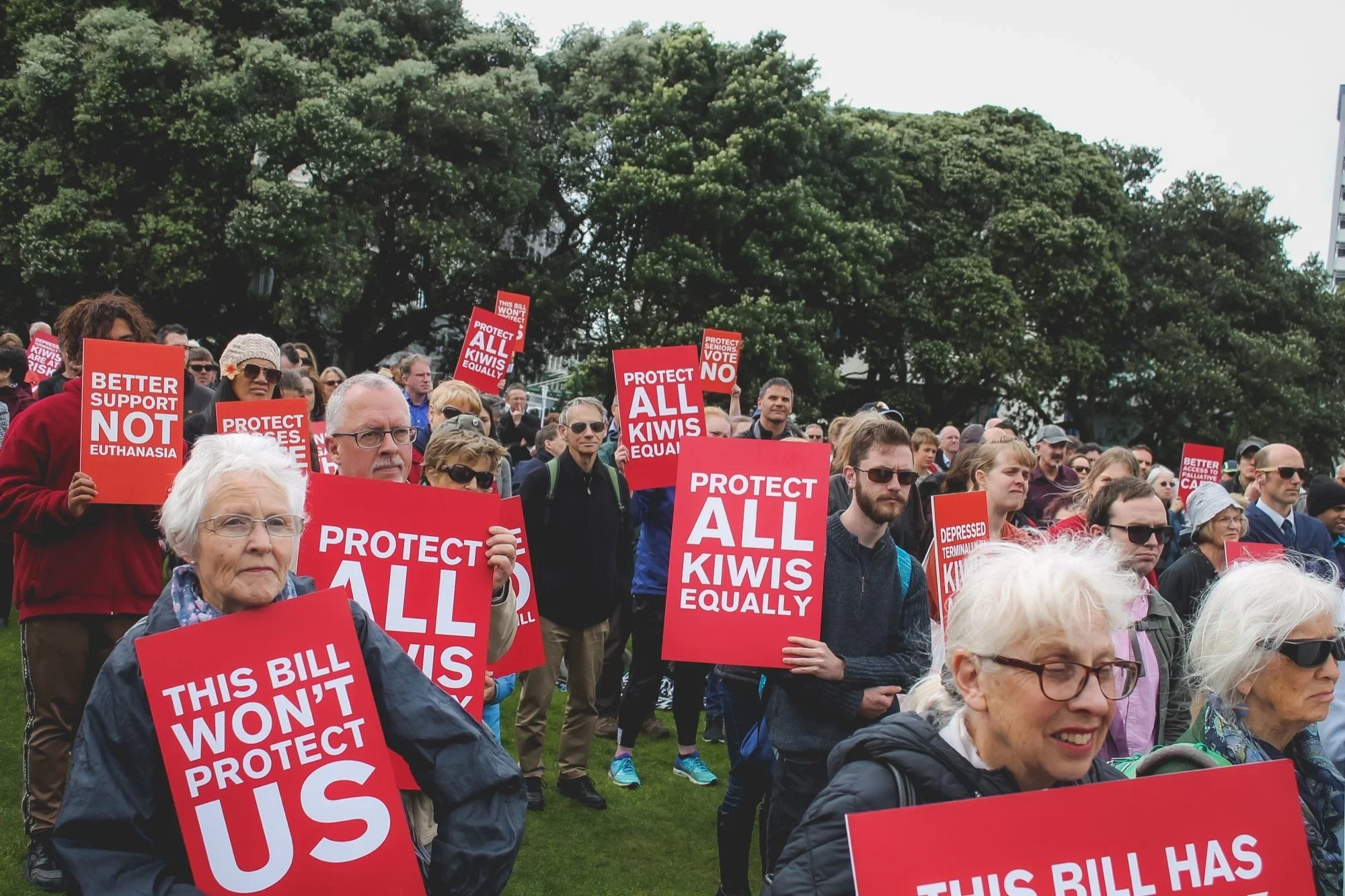
Assisted dying laws overseas follow a clear and consistent pattern: once introduced, they expand. New Zealand is already beginning to follow this path. Proposed changes are pushing to broaden eligibility, reduce safeguards, involve more practitioners, and weaken conscientious objection—shifting euthanasia further into mainstream healthcare.
International experience shows what comes next.