
Restoring true dignity, compassion and autonomy
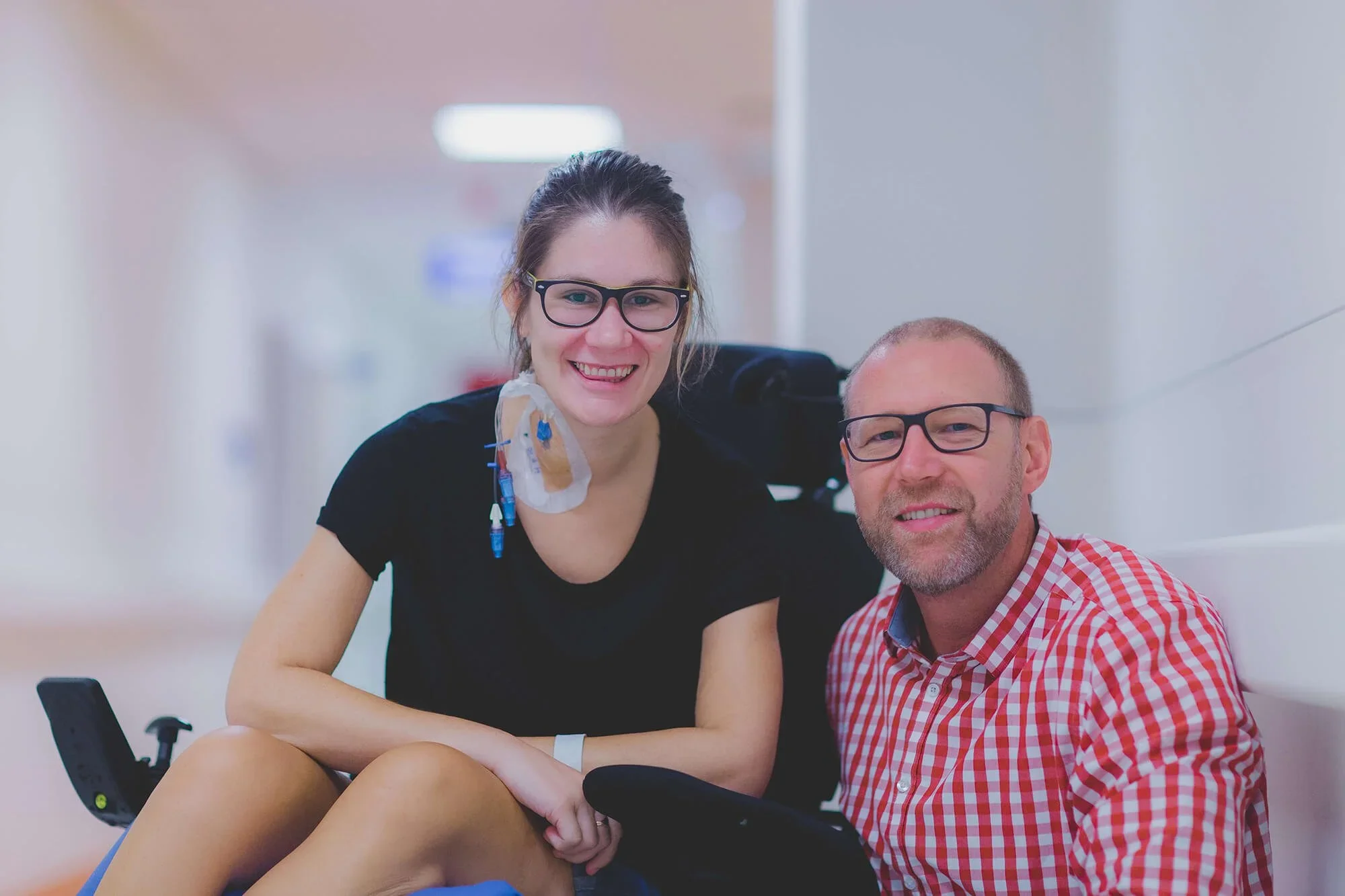
Unpacking the true meaning of Compassion, Dignity and Autonomy
Advocates for euthanasia always quote three main premises for their position - Compassion, Dignity, and Autonomy. But what so often follows is a twisting of words and a poisoning of meanings.
Everyone Deserves Compassion
LIE: Euthanasia is the compassionate thing
“Compassion” (to suffer with) means entering into someone’s pain and walking alongside them, even when it’s difficult or prolonged. It carries a sense of endurance, presence, and a shared burden.
But in the hands of those focused on promoting euthanasia, it has been distorted to justify ending or escaping suffering as quickly as possible, at any cost.
The shift from relational enduring to outcome-focused, efficiency-driven dying, has shifted the emphasis from walking the journey, to just eliminating the perceived or predicted pain.
The truly compassionate stance is not to cut short life and hasten death, but to help make the most of the moments along the way.
Everyone Deserves Dignity
LIE: Euthanasia is death with dignity.
Dignity cannot be given or taken. It can simply be affirmed or denied.
From the Latin word dignitas, from dignus meaning “worthy” or “of value”, a human has dignity from the moment they exist.
Dignity is not tied to capacity, intelligence, capability or independence. It simply ‘is’.
Every person is valuable, not only because of what they can currently contribute, but because of who they are.
If dignity is said to depend on independence, then it follows that children, disabled people, the elderly, and the vulnerable have less dignity. And if euthanasia is offered to preserve dignity for those who are dependent, what does that say about the dignity of all who depend on others to live?
To truly care for a person’s dignity is to honour the person by providing the support and help that person deserves, in the midst of their weakness.
Everyone Should Have Autonomy
LIE: A right to autonomy means a right to euthanasia
Coming from autos “self”, and nomos “law”, autonomy means self governance - the ability to direct one’s life according to reason, values and moral responsibility, not just the self-absorbed personal preference that euthanasia advocates have tried to boil it down to.
Plucking autonomy out of its context to relabel it as ‘complete personal independence’ is a degradation of the beauty of its community-context.
Placing total and utter emphasis on self, ironically strips a person of any sense of being loved and cared for by others.
Your choices impact others because they love you.
Choice is from Old French chois, meaning “to select, to discern, to decide after consideration”. It carries the sense of weighing options carefully and making a wise and informed decision.
Choice does not only mean having the ability to pick what one prefers or selecting based on desire. It includes weighing what is good, true, beneficial over time (wisdom), having an understanding that it happens in the context of the wider human story, and will have a moral, relational, and social impact for yourself and others.
True autonomy and choice do not triumph self over others; they understand self within others.
Offering real compassion, affirming true dignity, and advocating for healthy autonomy will build a bright future for end of life care.