
Impact on disability
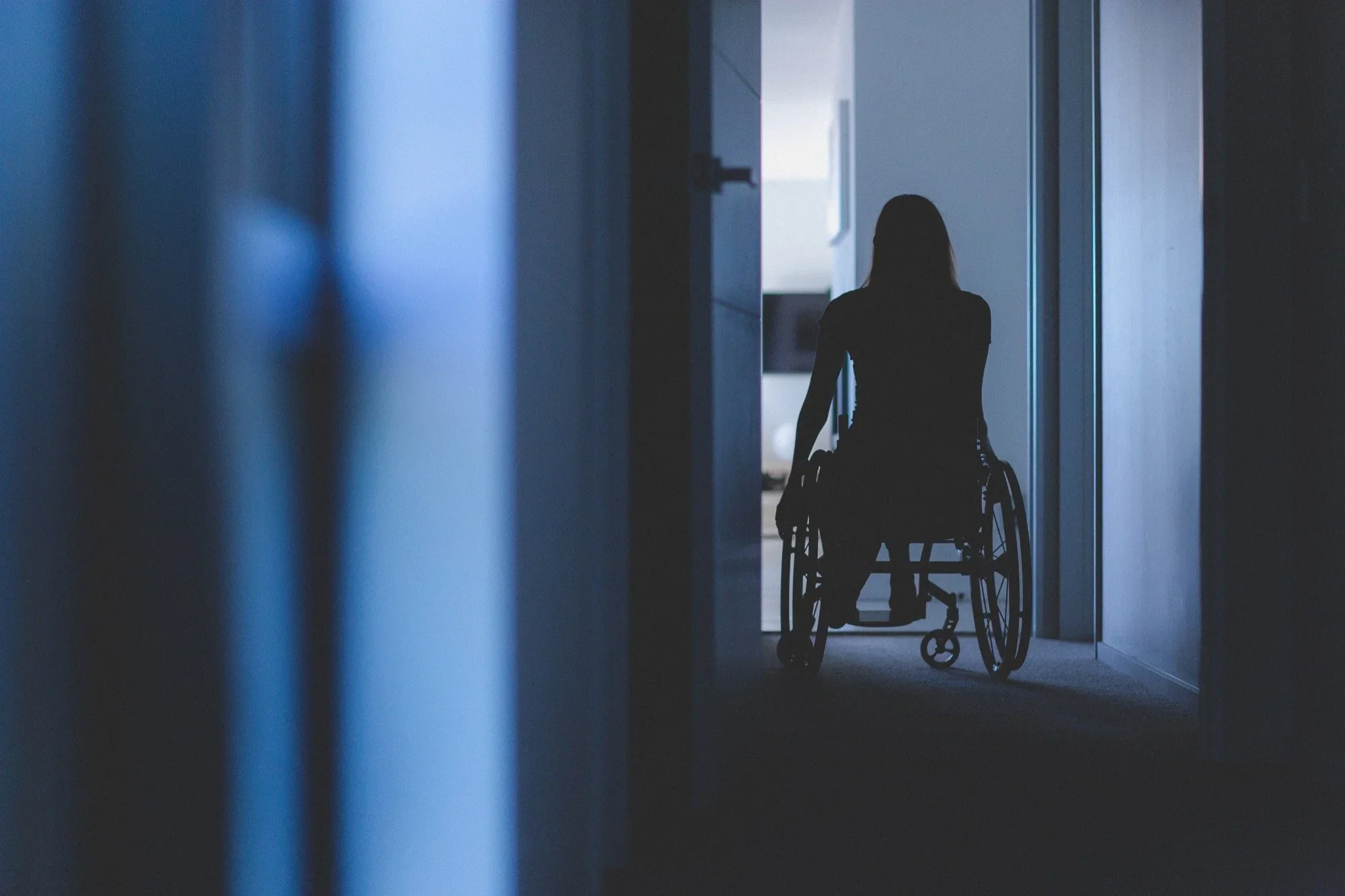
Assisted dying is now a reality in New Zealand, and it is operating within a system already under pressure to adequately support people with disabilities.
Wavering line between disabled and terminal
While disability alone is not a qualifying condition, the line between “disabled” and “terminal” is often blurred.
A person’s condition can deteriorate quickly without proper care — whether through lack of treatment, unmanaged complications, or inadequate support — making eligibility less clear-cut than it appears.
At the same time, many disabled New Zealanders struggle to access basic healthcare, mobility support, and essential treatment. Many cannot get wheelchairs they need to increase their mobility, or medication to treat their symptoms, one-in-five can’t even afford to see their GP.
When these unmet needs, isolation, and uncertainty intersect with euthanasia, it creates a concerning environment where decisions may be influenced not just by illness, but by the realities of living without sufficient support.
What Choice?
The choice that actually takes away their choice
“Choice” does not feel like a real choice when access to care and support is already limited.
When essential services, treatment, or practical support are difficult to obtain, the option of euthanasia can begin to feel less like one option among many — and more like the only one available.
Experiences overseas highlight how real this risk is. In Canada, there have been multiple reports of people with disabilities being offered assisted dying in situations where they were struggling to access housing, home support, or adequate medical care. Advocates warn that when systems fail to provide meaningful alternatives, assisted dying can shift from a response to suffering — to a substitute for proper care.
International Cases of Disability and Euthanaisa
These Canadian cases highlight a growing pattern where assisted dying intersects with disability, poverty, and gaps in care — offering a warning of trends that will increasingly emerge in New Zealand.
Roger Foley (Ontario) – A man with a neurodegenerative disability recorded hospital staff offering MAID while seeking care, raising concerns about support versus death.
“Sophia” (Ontario) – A woman pursued MAID after being unable to secure safe housing, with social conditions playing a central role.
Christine Gauthier (Veteran & Paralympian) – Testified she was offered MAID while trying to access a wheelchair ramp.
Amir Farsoud (Ontario) – Sought MAID due to risk of homelessness and lack of support.
Parliamentary evidence cases – Reports include individuals offered MAID amid disability, isolation, or lack of care.
Together, these cases show how, over time, assisted dying can shift from a response to medical suffering into situations shaped by unmet needs and vulnerability.
Awful Attitudes Towards Disability
It is deeply concerning how often euthanasia is framed as preferable to becoming dependent on others. Dignity and independence are frequently treated as the same thing — as if a person’s worth is defined by their ability. Yet thousands of New Zealanders live full and meaningful lives while completely relying on others to help them reach quality and enjoyment of life. When dependence is portrayed negatively, it risks reinforcing a harmful belief that needing care diminishes value — and can contribute to a growing fear that death is better than reliance on others.
This ableist attitude is very real. In 2019 a United Nations special report discovered health professionals' misconduct towards people with disabilities.