
Impact on the elderly
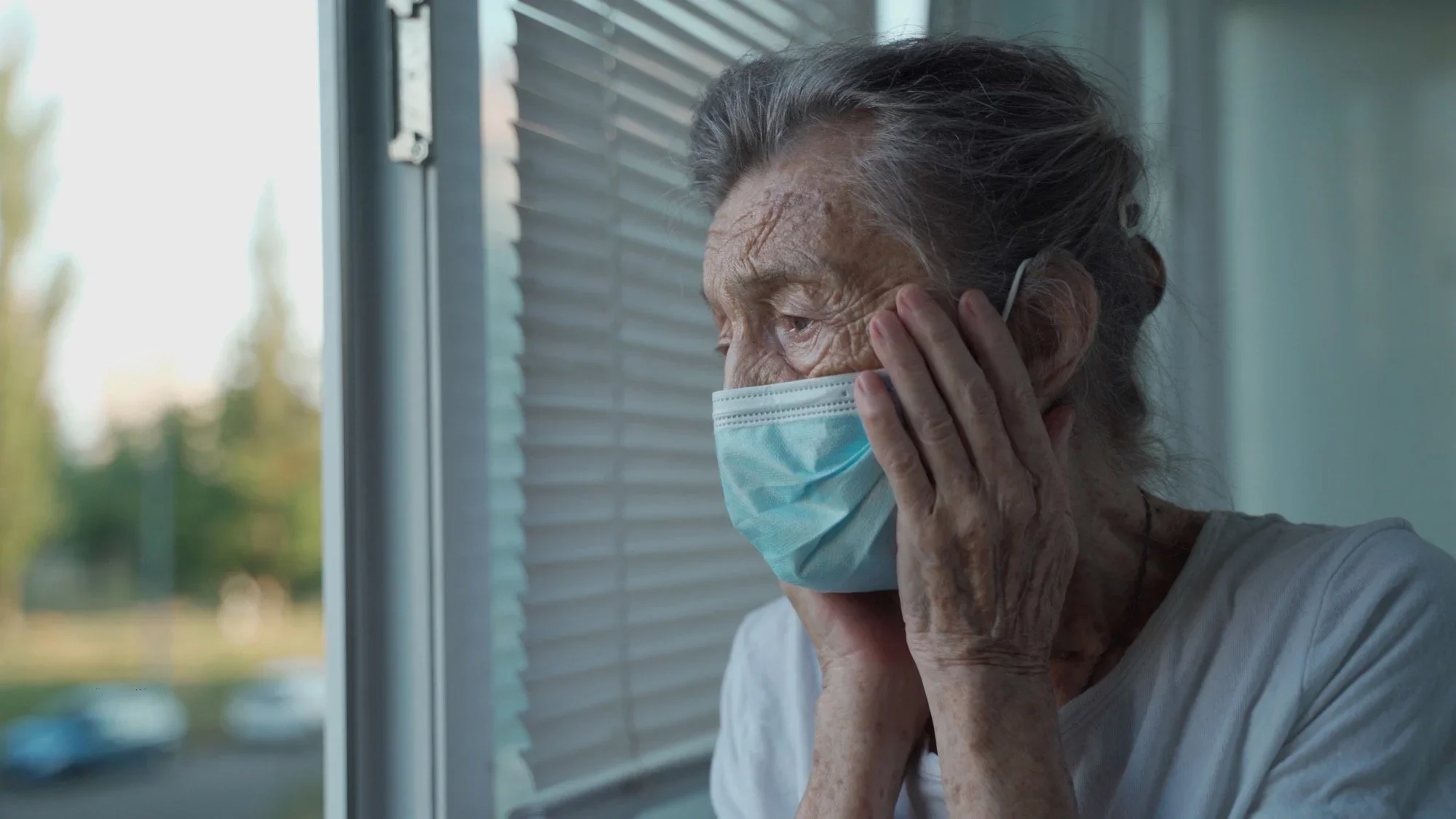
Euthanasia in New Zealand is having a detrimental impact on care for the elderly, particularly those facing vulnerability, isolation, and the fear of being a burden. Behind the numbers are real pressures that raise serious concerns about whether these decisions are truly free.
Majority of users elderly
New Zealand’s official data shows that assisted dying is predominantly used by the elderly. Across every year since its introduction, around three-quarters of applicants — approximately 74% to 78% — are aged 65 and over. In fact, around one in four assisted dying cases are now people aged 80 and over. And the number is increasing year-on-year.
The stats follow the international trend — that assisted dying is most commonly used by older populations, raising important questions about vulnerability, ageing, and the pressures faced later in life.
Elder Abuse and Coercion
Elder abuse is a significant and often hidden issue in New Zealand — and it creates a troubling backdrop for decisions around assisted dying.
Research suggests around 1 in 10 New Zealanders over 65 experience some form of abuse or neglect, yet only about 1 in 14 cases are ever reported. Many cases involve psychological or financial pressure, and most abuse is carried out by family members — often adult children or relatives.
In this context, vulnerability is not rare — it’s widespread and frequently unseen.
When feelings of being a burden, financial strain, or subtle coercion are already present, introducing assisted dying into that environment creates a dangerous mix. It raises serious concerns about whether decisions are truly free — or shaped by pressure, fear, and circumstance.
Pressure to consider euthanasia or assisted suicide as the best option can come blatantly – a threat from family members to speed the dying process along for financial gain. Or, more commonly as a veiled and subtle message of “you are a burden”. Both can propel a person towards choosing ‘assisted death’.
Doctors are expected to detect any psychological pressure their patient may be subjected to when requesting euthanasia. However, this is impossible to do in a 15-minute consultation, especially if they haven’t had any previous contact with the patient.
Even at the best of times and with a long-standing doctor—patient relationship, pressure can still be extremely subtle and therefore difficult to detect by doctors.
There is no effective safeguard to prevent it.
The Feeling of Being a Burden
An issue that is at the forefront of people’s minds as they age and their health deteriorates – being a burden on family, friends and caregivers.
Consistently more than 60% of those that use assisted suicide in Oregon, are concerned about being a burden on family, friends and caregivers, and in New Zealand there is no reporting on why people are choosing euthanasia—so there’s no way of checking what is driving the choice to die here.
We do know feelings of being a burden on family and/or society are common among elderly New Zealanders, and often expressed to doctors.
The End of Life Choice Act contains woefully inadequate protections for elderly people facing these far too common issues–which can make it a small step for the ‘right to die’ to become a ‘duty to die’.
A true story: When euthanasia becomes a duty
A New Zealand doctor has spoken out about a confronting case that highlights how assisted dying can intersect with vulnerability, pressure, and a perceived “duty to die.”
The doctor recalls caring for a frail elderly woman whose health was declining to the point she needed full-time care. Moving into a rest home would have required selling her house — the one asset she hoped to leave to her dependent daughter, who had limited ability to live independently. Faced with this, the woman began considering assisted dying, not primarily because of pain, but as a way to secure her daughter’s future.
In her mind, ending her life early became a practical solution — a way to protect someone she loved. The doctor describes this as deeply troubling: a decision shaped not by free choice alone, but by external pressures, financial realities, and responsibility for others.
Cases like this raise serious concerns about whether assisted dying can become subtly coercive — especially for the elderly, who may already feel like a burden. When death is seen as a way to relieve others, it risks shifting from a “right to choose” into a perceived obligation — a quiet, but powerful, “duty to die.”