“Chosen to Love”: A New Zealand Adoption Story That Challenges the Abortion Narrative
In New Zealand, adoption is often spoken about as a theoretical option, as something acknowledged in principle, but rarely seen in practice.
In reality, it sits within a broader context that means it is rarely presented as a genuine option. Yet beyond that reality are real lives shaped by the choice to pursue it.
This is one of those stories.
It is the story of a little boy Charlie (5) who, by most measures, should not have survived. A child conceived in violence, born with a life-threatening heart condition, and given only a small chance of living beyond infancy. It is also the story of a mother who decided to give despite her pain—she chose adoption.
And it is the story of a Hamilton family who said yes.
Together, their lives form a compelling, and at times confronting, case for reconsidering how adoption is understood in New Zealand, not as a distant or unrealistic ideal, but as a deeply human, life-giving alternative in the face of difficult circumstances.
A Life That Almost Didn’t Happen
Charlie’s life began in circumstances that many would consider insurmountable.
He was conceived through sexual assault.
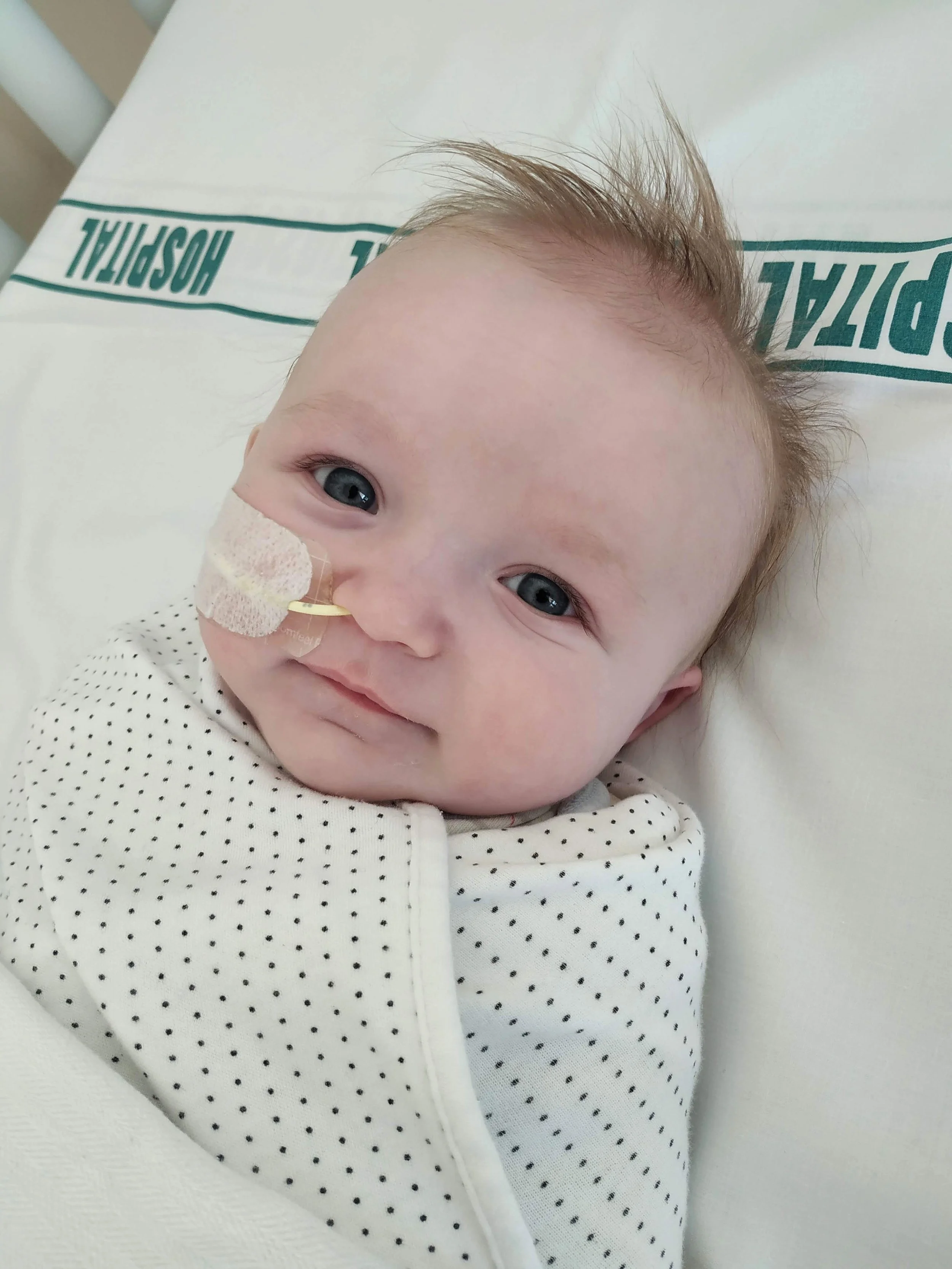
His mother did not know she was pregnant. When he was born, he was already in heart failure, suffering from a rare and complex congenital condition alongside other internal congenital abnormalities.
By the time prospective adoptive parents were contacted, Charlie had already undergone open heart surgery. His survival was far from certain.
“The chance of that operation being successful was about 30%,” his adoptive mother Anna recalls.
Initially, no adoptive parents were approached at all. The expectation was that he would not live. But he did.
And when his survival became more likely, a different path opened. His birth mother, who had always intended to place him for adoption, was shown a small number of family profiles. She chose one.
“It felt like a real privilege,” Anna says. “Quite special that we had been chosen.”
The significance of that choice was not lost on her.
“One of the top reasons people give for abortion is rape,” she reflects. “So to be part of a story where a baby has actually been given life—it felt incredible.”
The Reality of Open Adoption in New Zealand
Charlie’s story unfolded through what is known as open adoption, now the most common form of adoption in New Zealand, though still relatively rare overall.
The process is both structured and deeply personal. Prospective adoptive parents create profiles, sharing who they are, their values, and what kind of home they can offer. They go through rigorous testing and process with New Zealand Government agency Oranga Tamariki. When a birth mother considers adoption, she is shown a small number of these profiles and invited to choose.
“She got shown three profiles and she picked ours,” Anna explains.
Following that choice, the families meet, often face-to-face, and, if both sides are comfortable, the process continues. After the baby is born, the birth mother must formally consent to the adoption through a legal process, with time built in to ensure the decision is not rushed or coerced.
It is not a simple or transactional arrangement. It is relational, often ongoing, and often emotionally complex.
“There’s no perfect way,” she says. “It is complex and there is always pain. It’s just trying to navigate that sensitively and lovingly.”
In their case, the adoption remained open. There is communication, updates, and an ongoing willingness to maintain connection.
“We’ve always had an open door,” she explains. “Anytime she wants to see him, she’s welcome… I send photos, updates, and keep her informed.”
At the same time, reality requires sensitivity to everyone's circumstances and capacity.
“It hasn’t looked exactly how we first talked about,” she says. “But that is how relationships and family work, we learn and grow together and figure out what works for everyone’s needs.”
A System That Rarely Speaks of Adoption
Despite the care and intentionality evident in stories like Charlie’s, adoption in New Zealand remains uncommon.
Not because families are unwilling. But because the option is often invisible and, at times, discouraged.
“You have to really want it and push for it,” Anna explains. “It’s not something that’s advocated for.”
Her experience within the system reflects a broader concern—that adoption is not consistently presented as a legitimate option, even in situations where it might be appropriate.
“I don’t think informing people about adoption is coercion,” she says. “It’s just giving people all the information.”
In some cases, even when children are removed from unsafe environments, adoption is not clearly offered as an alternative pathway, despite the potential for greater long-term stability.
“I think it could be an option that’s tabled,” she reflects. “If you’re not able to keep your child… you could choose a family.”
At the same time, she acknowledges the ethical complexity involved. Social workers are rightly cautious about any perception of coercion. But the absence of information creates its own problem.
“If you don’t know what your options are,” she says, “you’re not going to know what to ask.”
A Mother With a Broken Heart
By the time Charlie entered their lives, his adoptive family had already walked a long road.
They had fostered more than a dozen children, primarily newborns, welcoming them fully into their home, only to say goodbye again.
“It’s really, really brutal on your heart,” she says.
Each child was loved as their own.
“They deserve someone who is all in,” she explains. “I wouldn’t feel like I was giving them what they needed if I held back.”
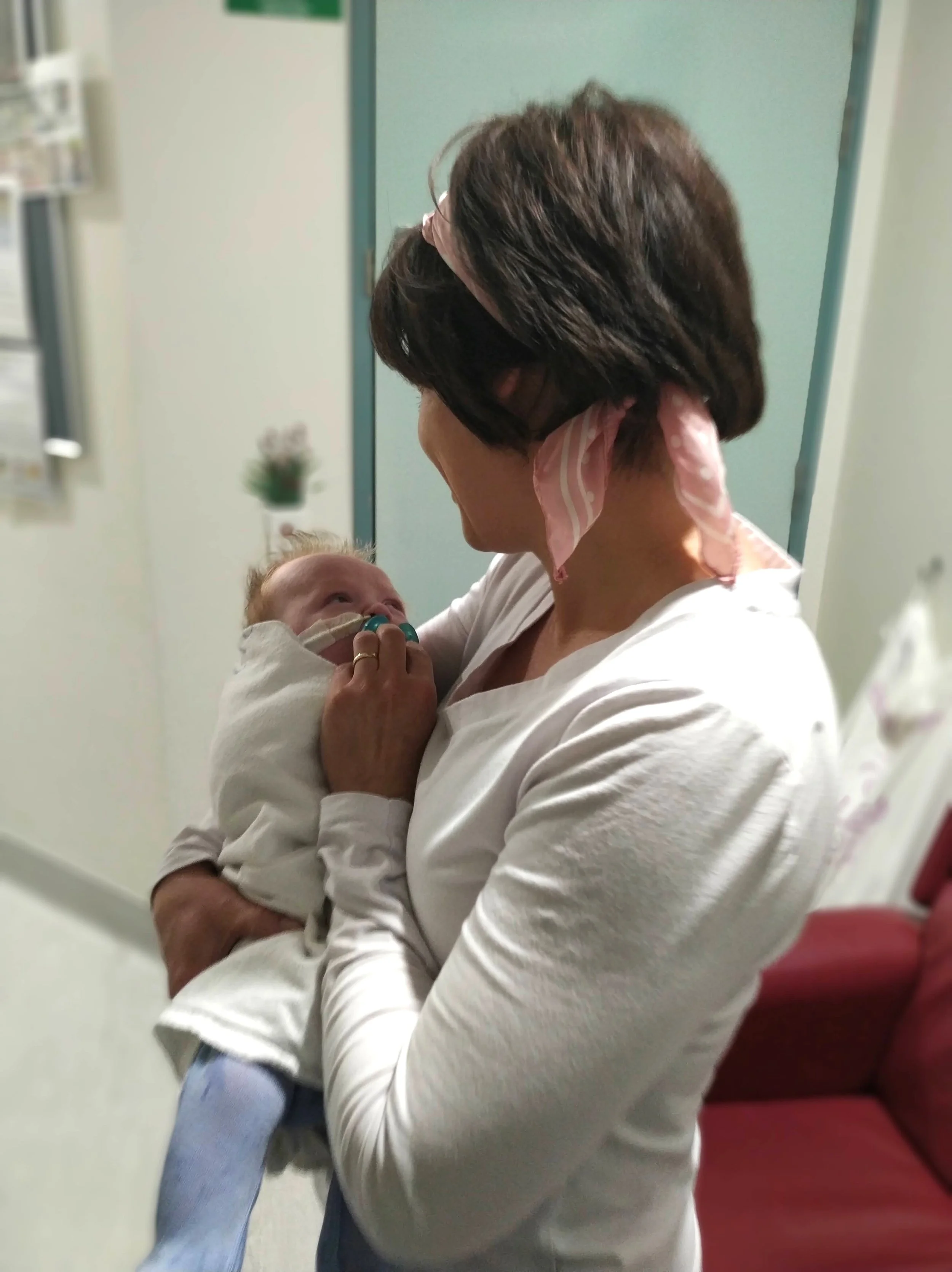
But that kind of love comes with loss. “It feels like losing a child… as significant a loss as if they had died.”
By the time Charlie arrived, that grief had left a mark. Anna found it difficult, at first, to fully attach. “I couldn’t let myself believe he was ours,” she says. “Not until everything was signed.”
The deep closeness did come, but gradually, like a trickle more and more over time. And in the midst of that process, a realisation emerged.
“I remember thinking, maybe it’s fitting that God chose a mother with a broken heart for a baby with a broken heart.”
Two lives, both marked by suffering, meeting in a way that allowed healing for both.
The Deeper Reality of Suffering
Much of the public conversation around abortion rests on an assumption that suffering must be avoided; that a difficult life is, in some sense, a lesser one.
Charlie’s story challenges that assumption.
“I often say there are precious jewels to be found in the deep mines of suffering,” Anna reflects.
It is a perspective shaped not by theory, but by lived experience—years of caring for vulnerable children, navigating medical crises, and enduring repeated loss.
The reality, she says, is not glamorous.
“It looks a lot like wiping up pee off the floor,” she says candidly.
And yet, within that hidden, often unseen work, something else has emerged. Connection. Trust. Growth. Charlie himself has been shaped by his early challenges—but not defined by them.
“He’s a fighter,” she says. “He wanted to be here.”
To suggest that his life would have been better ended before it began is, in her words, deeply troubling.
“You don’t just miss out on the hard things,” she explains. “You miss out on all the good things as well.”
A Life That Speaks for Itself
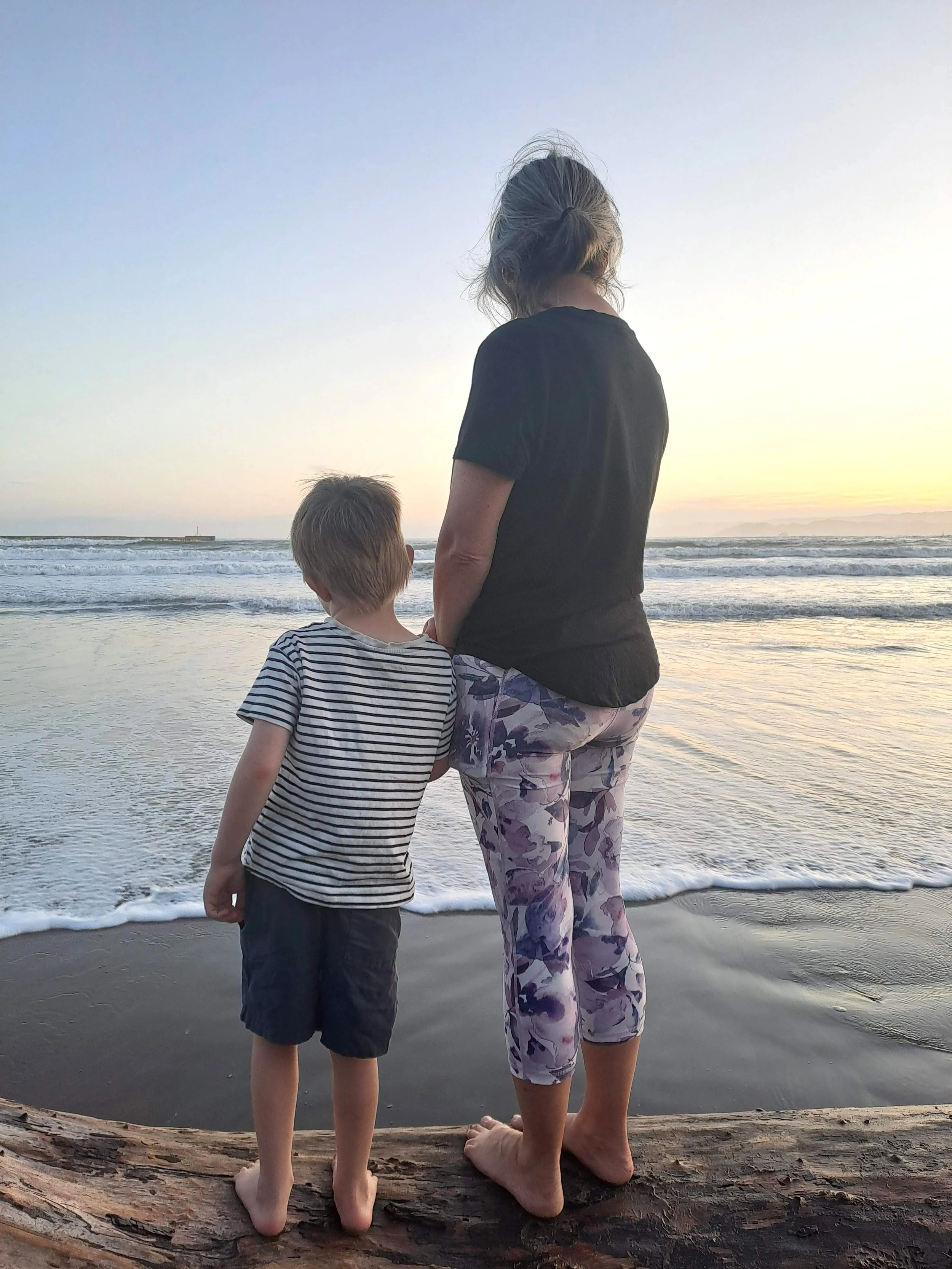
Today, Charlie is approaching five years old.
He is, by all appearances, an ordinary child, and yet in many ways, an extraordinary one.
He is energetic, curious, and full of personality. “Very feisty,” Anna says. He loves to draw, asks thoughtful questions, and thinks deeply about people and the world around him.
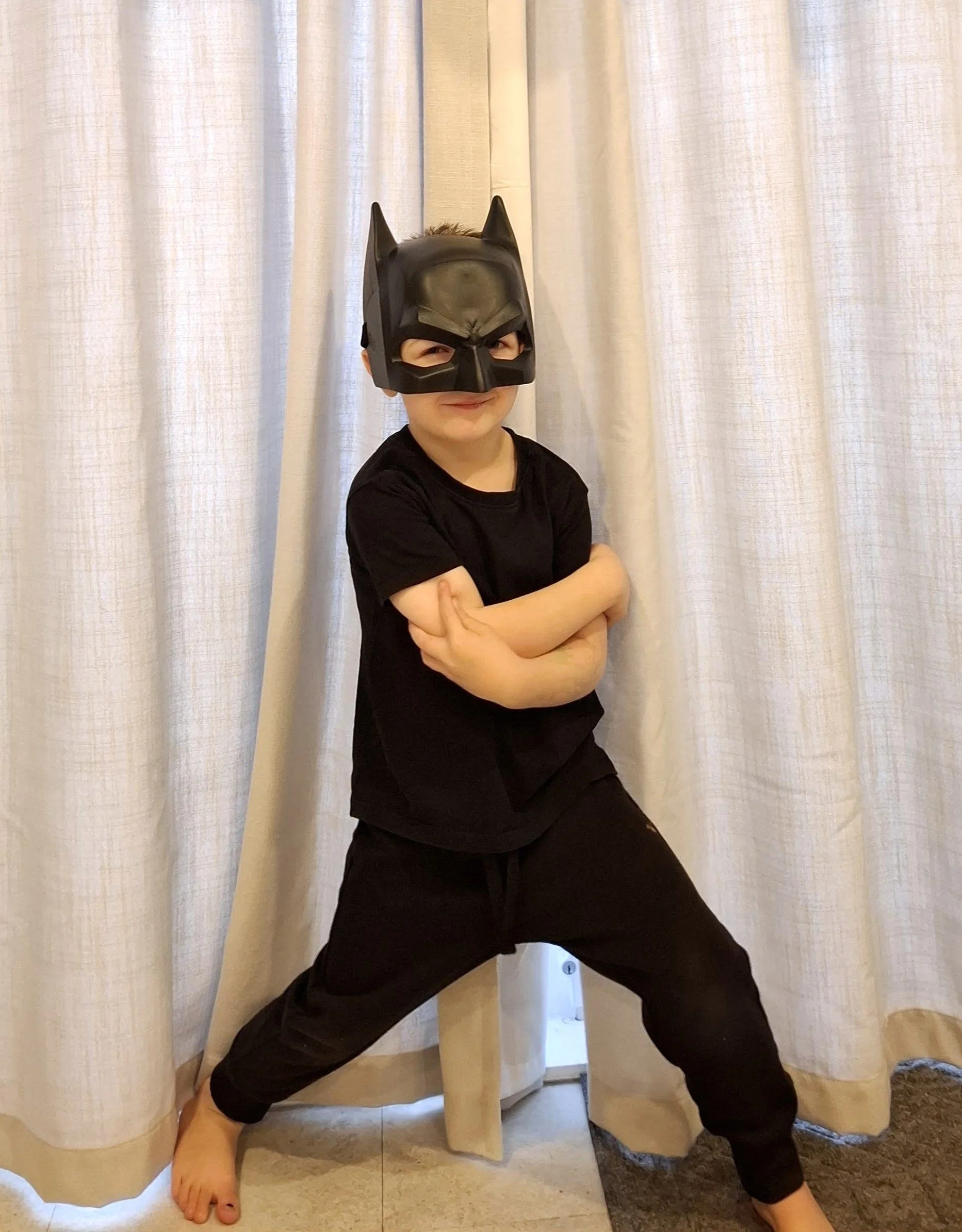
He adores his siblings, especially his older brothers, whom he looks up to and hopes to emulate.
“He brings so much joy,” she says. “To us, and to other people.”
His early medical struggles have also shaped him. He has learned resilience. He has learned to face difficulty. He has learned, perhaps earlier than most, that life is something to be valued.
“He just accepts that everybody’s body is made differently,” Anna explains. “Sometimes he needs extra help, but he just gets on with it.”
Looking at him now, it is difficult to reconcile the child before you with the prognosis he once carried.
A Call to Reconsider
Adoption is not an easy path. It involves grief, complexity, and long-term commitment from birth parents, adoptive families, and the children themselves. But it is a real option.
And, as Charlie’s life demonstrates, it is an option that can lead to profound good, even in the most difficult of circumstances.
For women facing unexpected or overwhelming pregnancies, the dominant narrative often presents a limited set of choices. This story suggests there is more to consider, there is life that can be protected.
“I would encourage them [a woman considering abortion] to consider keeping their baby if they can,” Anna says. “But if they really feel like they can’t… the one gift they can give is a life where that child is loved and wanted. Placing a child in an adoptive home can be negatively perceived as giving your child away... I have been so grateful for Charlie’s birth Mum, she set an example. She has always been clear how much she loves him and wanted to give him his best chance… for him to be loved, enjoyed and happy. It was a decision made in sacrificial love, not rejection.”
And for those who may be in a position to open their homes, her story offers a different kind of challenge. There are children who need families. There are lives waiting to be received. Adoption may not remove hardship, but it can transform it.
And in a society that often seeks to eliminate suffering as quickly as possible, Charlie’s life poses a quieter, more enduring question: What might happen if, instead of ending a life because it may be difficult… We chose to make room for it?
“Charlie’s life is a profound statement of goodness coming from difficulty,” Voice For Life president Lydia Posthuma says. “We believe every life is precious and worthy of living.”