Real stories, lived experience
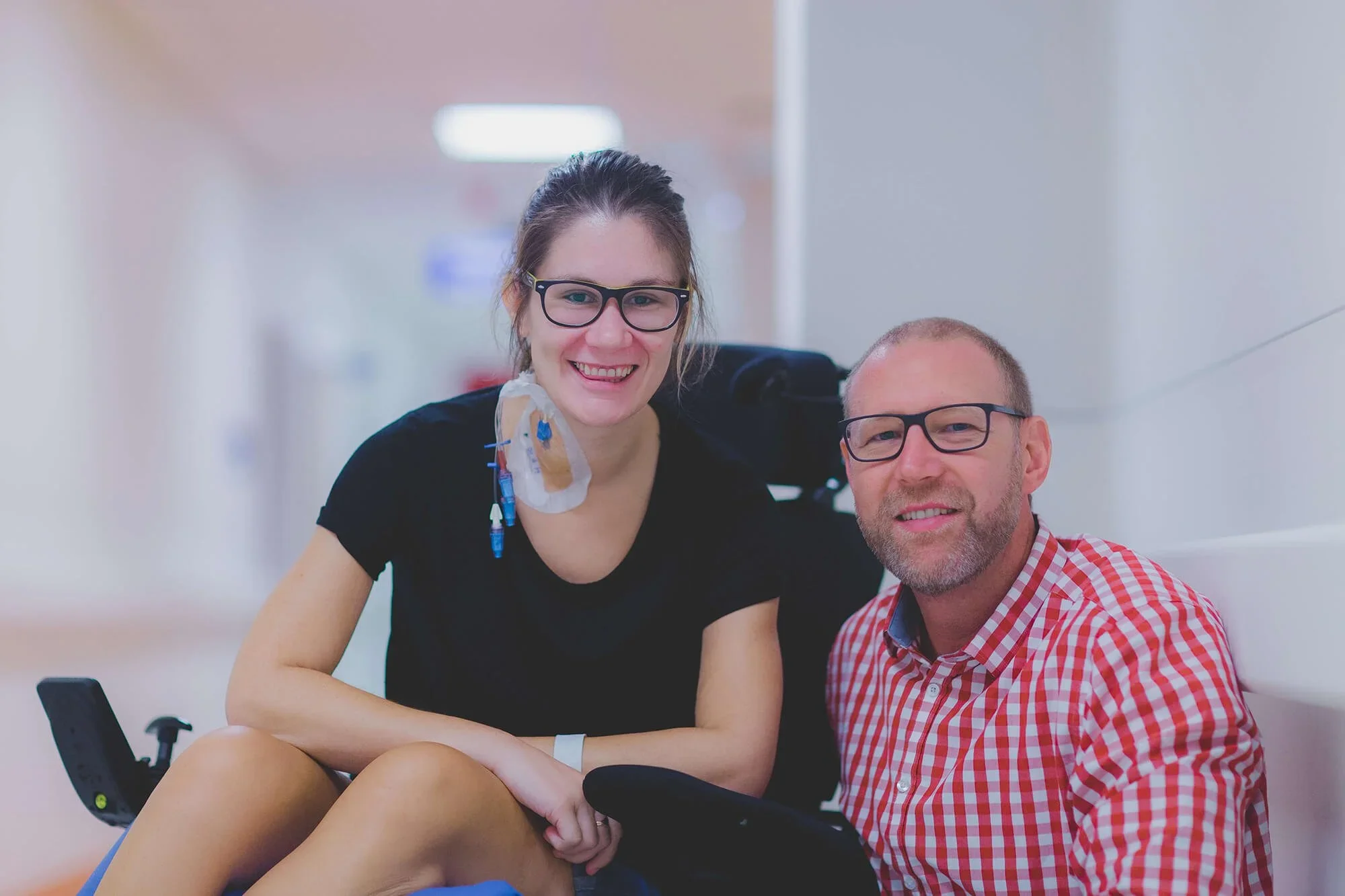
As euthanasia and assisted suicide operate in New Zealand, real people are being impacted by a system that presents death as a response to suffering. These stories share firsthand experiences from those affected — offering insight into the human reality behind the law.
Continue reading…
Read More
Impact on healthcare
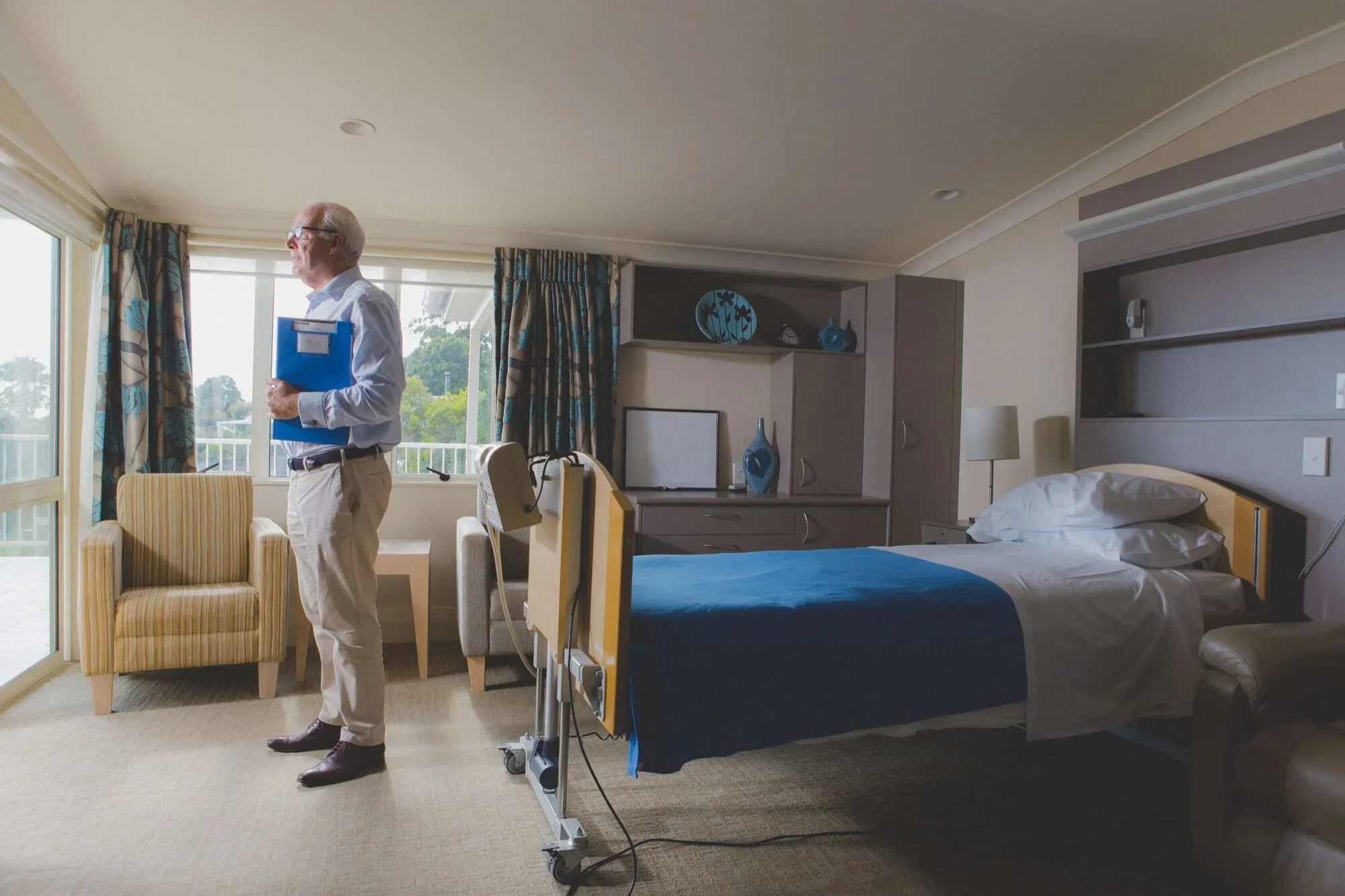
Assisted dying is having a dramatic and damaging impact on healthcare in New Zealand. From unreliable prognosis and misdiagnosis to gaps in mental health safeguards, pressure on doctors, and limited access to palliative care, the system is being strained and undermined. Clinicians report a shift away from walking with patients through suffering toward faster, irreversible decisions, while ethical boundaries are being reshaped and conscience rights eroded. The result is a healthcare system where the foundations of care, protection, and patient trust are being fundamentally changed at the end of life.
Continue reading…
Read More
Impact on the elderly
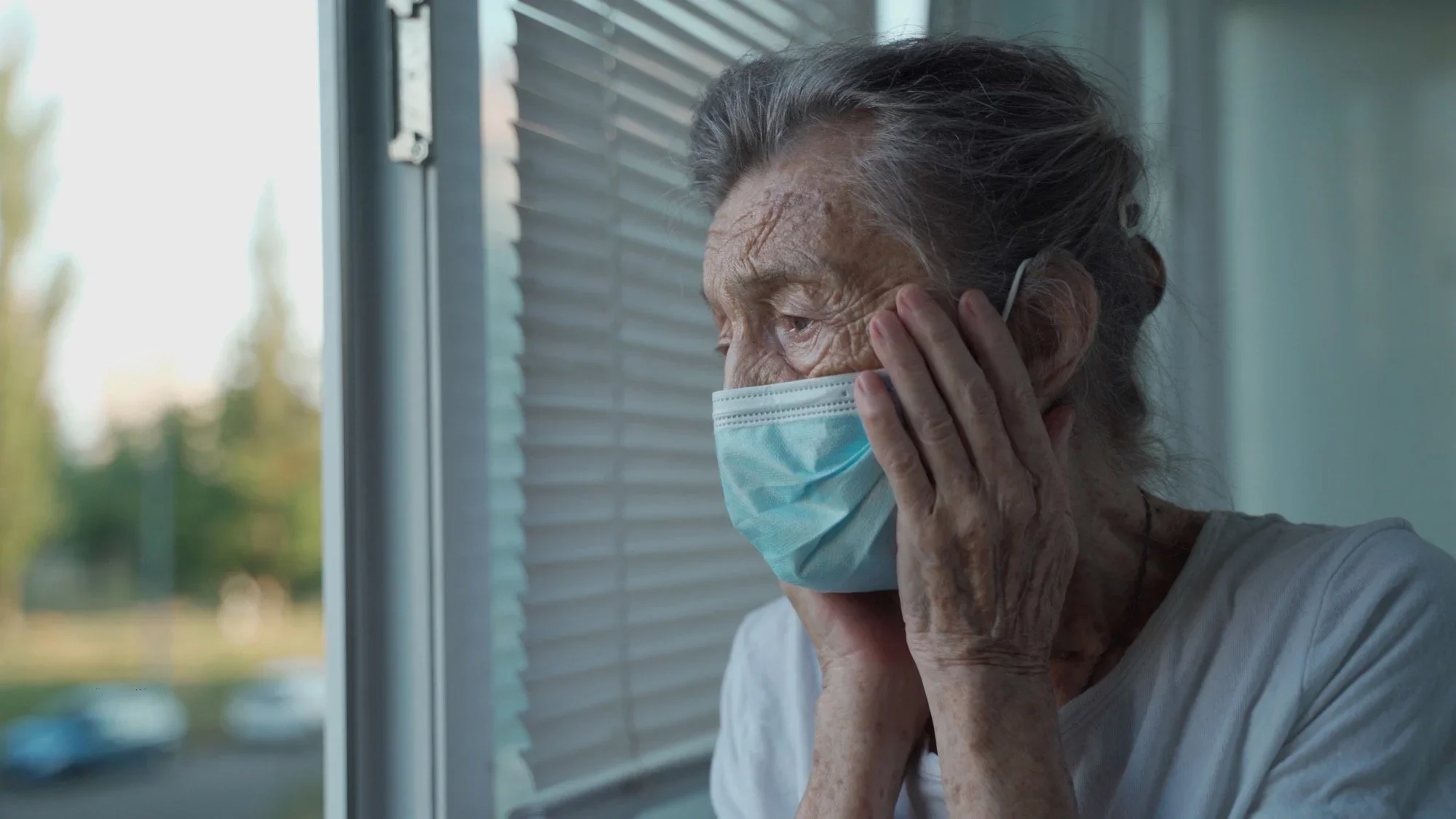
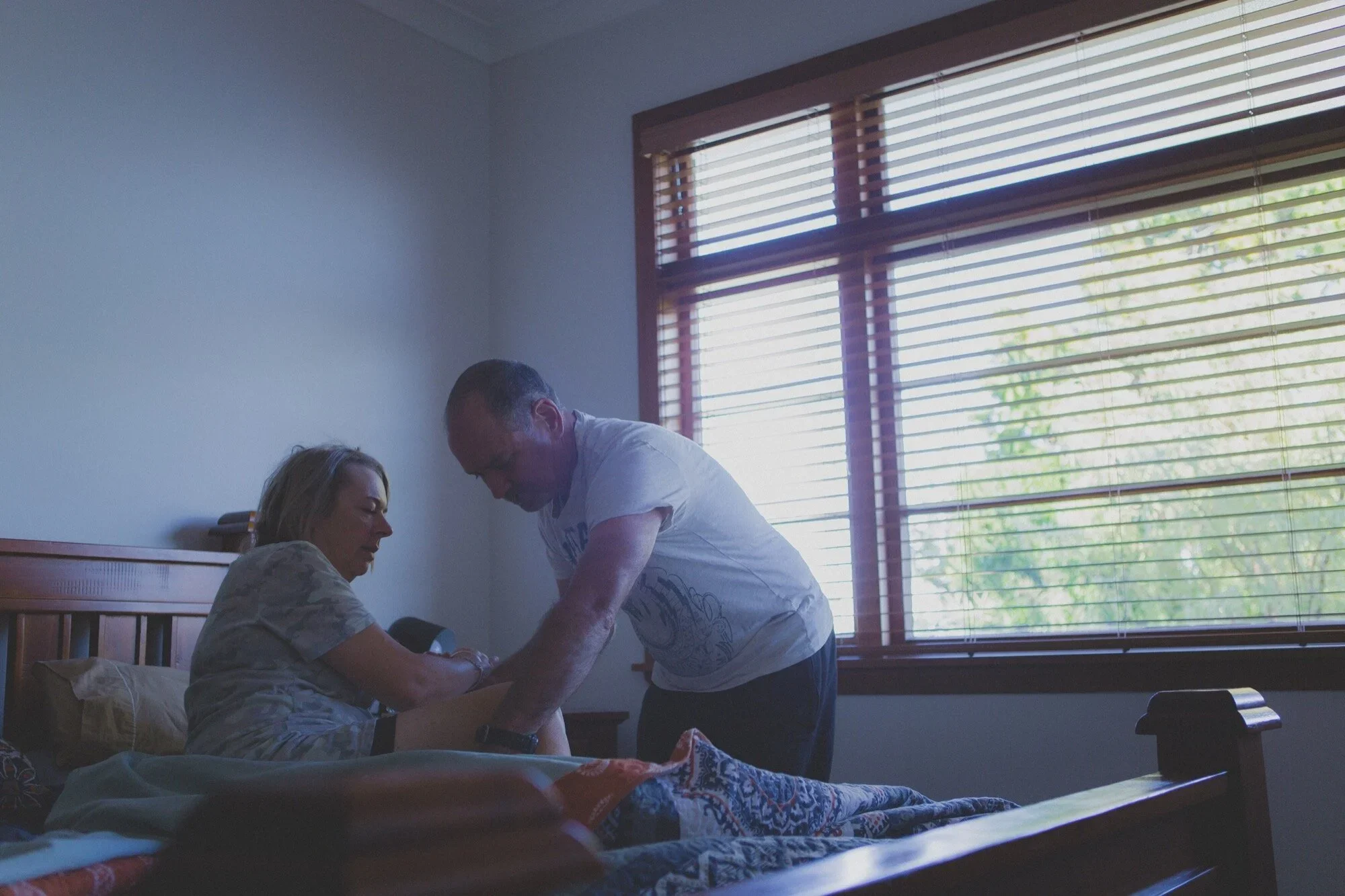
Euthanasia and assisted suicide in New Zealand is overwhelmingly used by the elderly—many of whom are facing vulnerability, isolation, and a growing fear of being a burden. Behind the statistics are deeply human stories shaped by pressure, dependence, and unseen influence, raising serious concerns about whether these decisions are truly free—or quietly shaped by the realities many elderly people are living through.
Continue reading…
Read More
Impact on disability
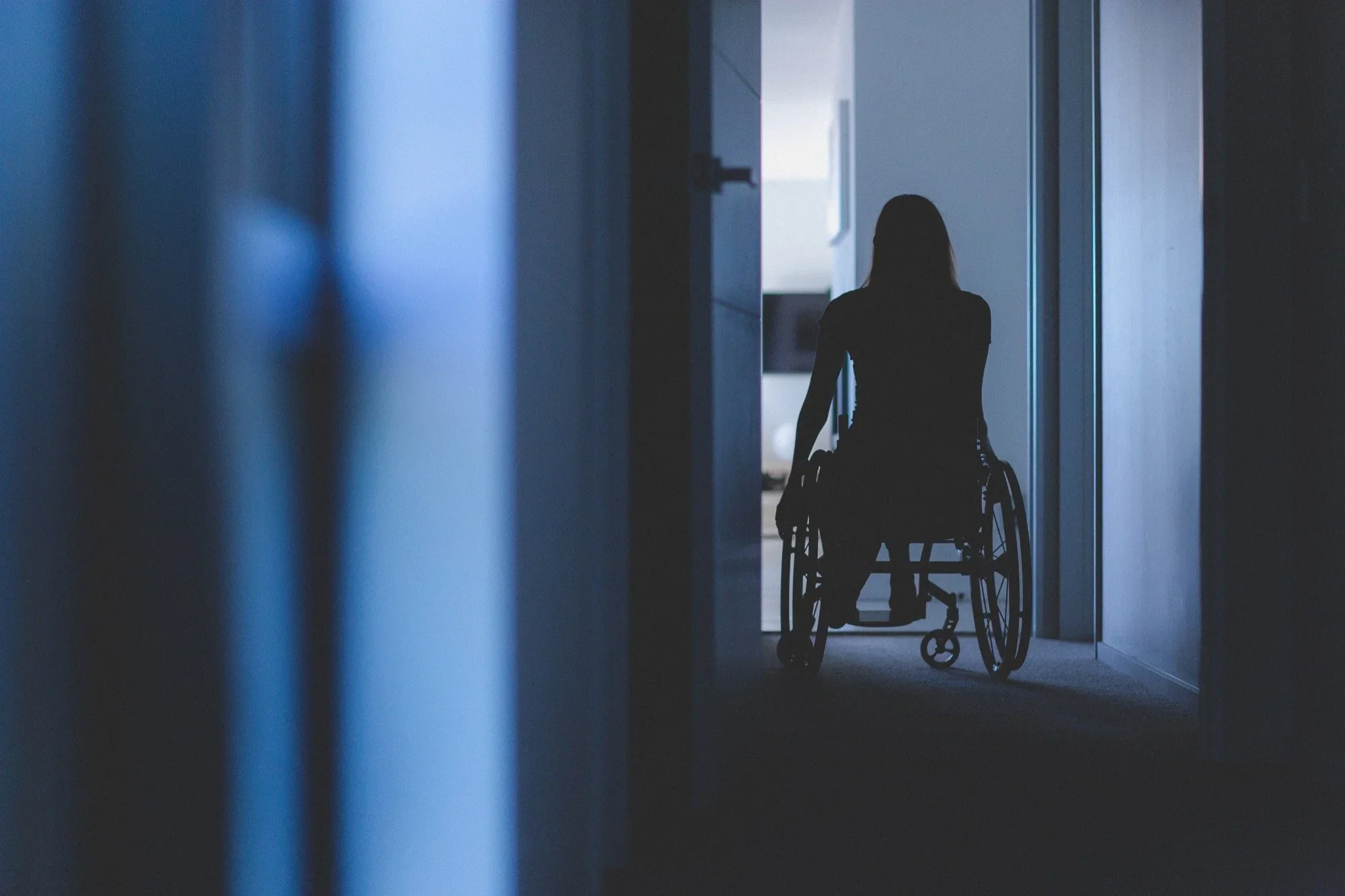
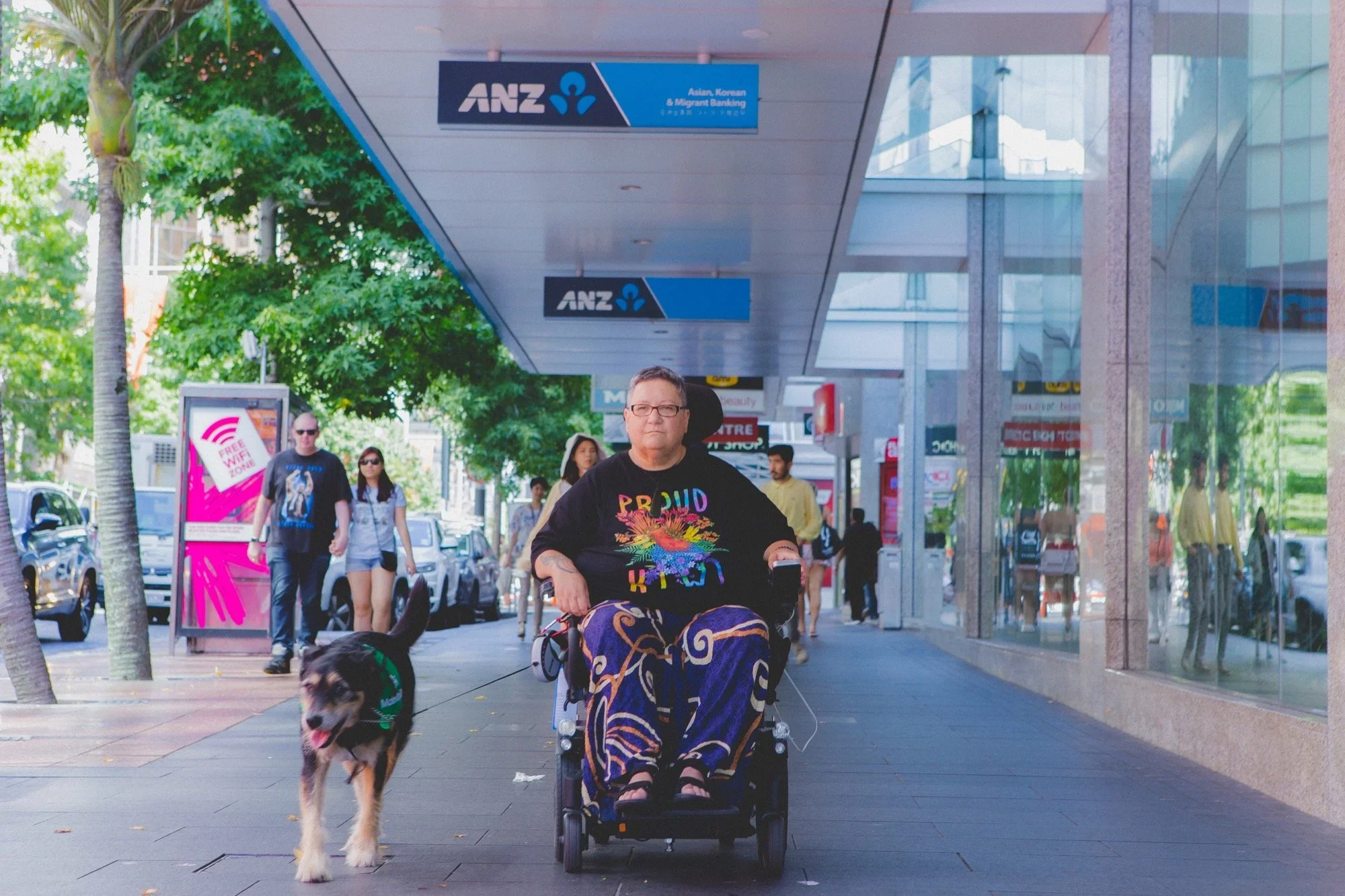
Euthanasia is now operating within a healthcare system already under strain — and its impact on people living with disabilities is becoming increasingly concerning.
The line between “disabled” and “terminal” is not always clear, especially when access to care, treatment, and support is limited. For many, “choice” does not feel like a real choice when basic needs are unmet and dependence is framed negatively. That’s exactly what is emerging overseas.
Continue reading…
Read More
Concerns from lawyers
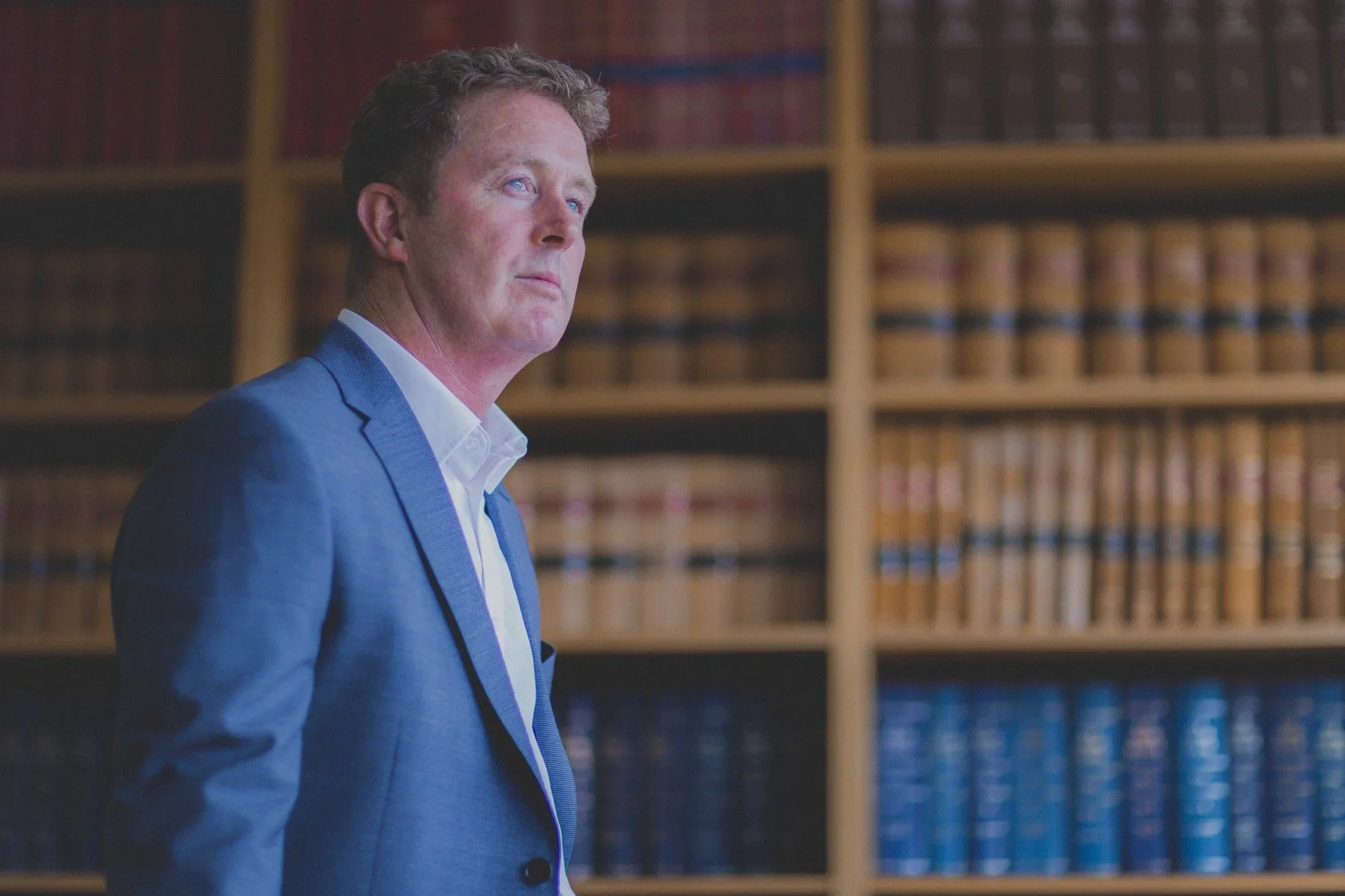
Serious legal concerns continue to surround how assisted dying is operating in New Zealand. Oversight relies heavily on retrospective, self-reported information, with limited transparency into individual cases—making it difficult to verify whether safeguards truly work. At the same time, legal challenges and changes to its application are beginning to emerge, including challenges to eligibility criteria and institutional conscience rights.
Continue reading…
Read More
Concern for expansion and normalisation
Assisted dying laws overseas follow a clear and consistent pattern: once introduced, they expand. New Zealand is already beginning to follow this path. Proposed changes are pushing to broaden eligibility, reduce safeguards, involve more practitioners, and weaken conscientious objection—shifting euthanasia further into mainstream healthcare.
International experience shows what comes next.
Continue reading…
Read More
Good palliative end-of-life care
Palliative care is specialised medical support for people facing serious illness — focused on comfort, dignity, and quality of life. It supports not just the person, but their family and caregivers too.
This holistic approach brings together expert teams to manage pain, ease distress, and care for physical, emotional, and spiritual needs. Importantly, it’s available well before the final days — not just at the very end of life.
Access and awareness still vary across New Zealand, making understanding your options essential.
Learn how palliative care supports a better end-of-life journey.
Continue reading…
Read More
Restoring true dignity, compassion and autonomy
The most common phrases used by those advocating for euthanasia always involve these three elements. But their true meanings have been twisted, poisoned and misinterpreted to justify an agenda. Learn what true compassion, dignity, and autonomy really mean, and take back the language of care.
Continue reading…
Read More
What does natural dying actually look like?
Death is something we all face — yet many of us avoid talking about it. Understanding what to expect can reduce fear and help you approach the end of life with greater clarity and confidence.
While every journey is unique, most New Zealanders will experience a natural dying process, often with support and increasing comfort in their final days. Knowing the signs and what’s normal can help you better support yourself or a loved one.
Facing this reality isn’t easy — but it can help you live and prepare well.
Learn what to expect and how to walk this journey well.
Continue reading…
Read More
How do I truly support someone facing death?
Supporting someone at the end of life takes compassion, strength, and the right support. Whether you’re a family member, friend, or caregiver, you don’t have to navigate this journey alone.
From practical help and emotional support to preparing for final conversations, knowing what to do can make a meaningful difference — for both the person and those around them.
There are also trusted organisations across New Zealand ready to help you every step of the way.
Explore practical guidance and support for end-of-life care.
Continue reading…
Read More
What was already legal and ethical?
Many New Zealanders don’t realise there are already legal and ethical ways to allow the dying process to take its natural course — without euthanasia. Options like turning off life support, Do Not Resuscitate (DNR) orders, refusing treatment, and palliative sedation are all established medical practices.
There is a clear difference between stopping treatment and intentionally ending a life — yet confusion remains widespread. Understanding your rights and choices matters.
Learn more about legal end-of-life care options and what they really mean.
Continue reading…
Read More
Protecting your future
Take control of your future care with an Advance Care Plan. By clearly documenting your wishes, you can ensure your voice is heard — even if you’re unable to speak for yourself.
Advance care planning helps you think through your values, discuss them with family and healthcare professionals, and make informed, legally recognised decisions about your care - including a refusal of euthanasia or assisted suicide.
Planning ahead can give clarity, reduce uncertainty, and protect what matters most to you.
Download your Advance Care Plan and start preparing today
Continue reading…
Read More